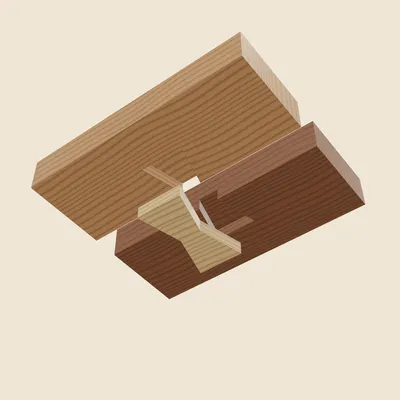
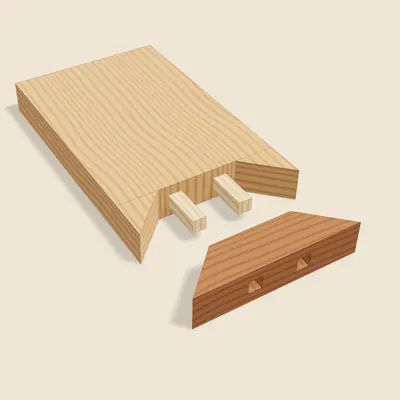
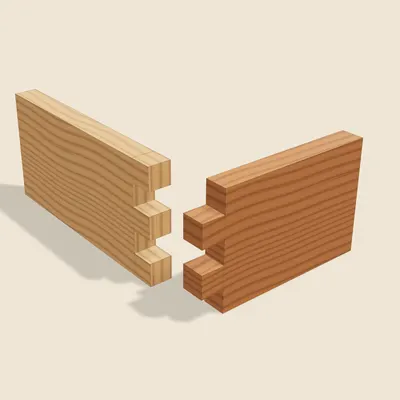
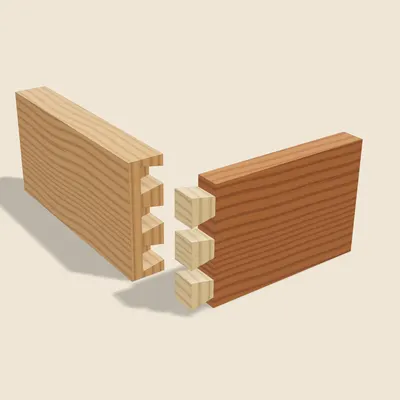
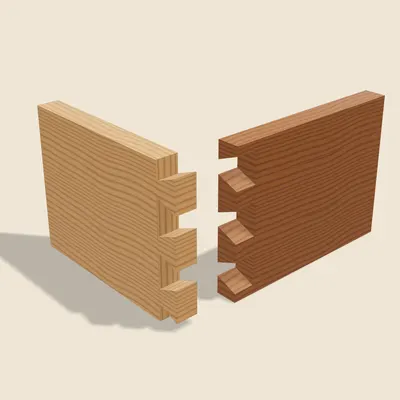
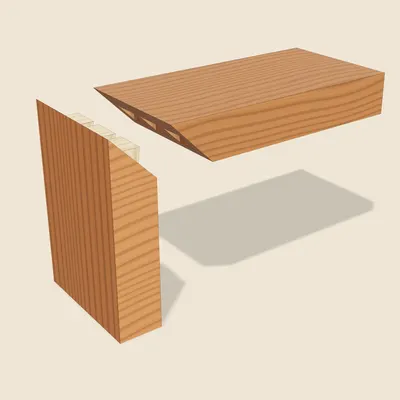
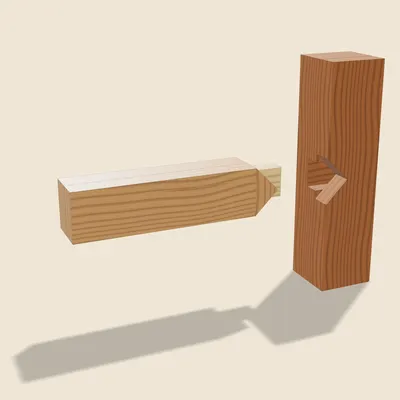
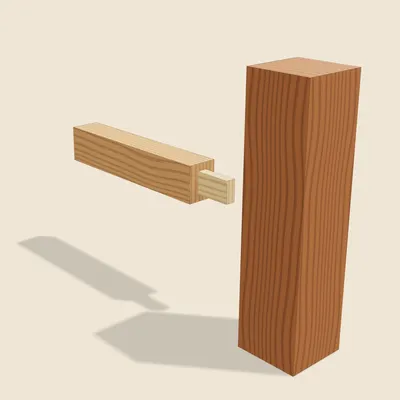
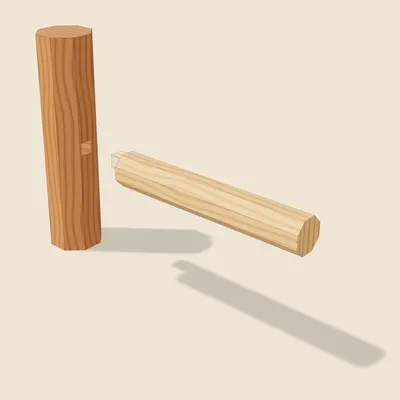
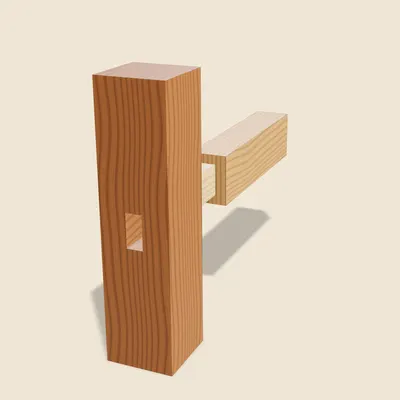
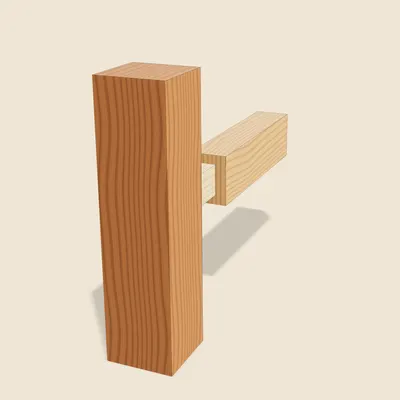
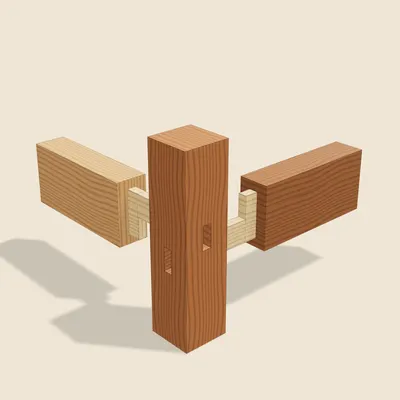
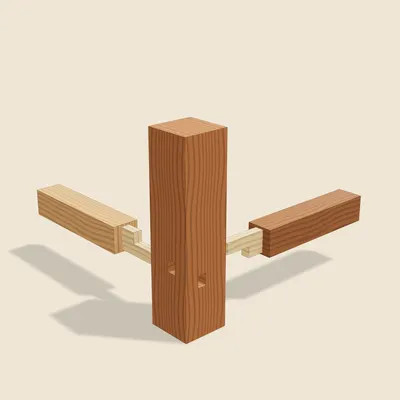
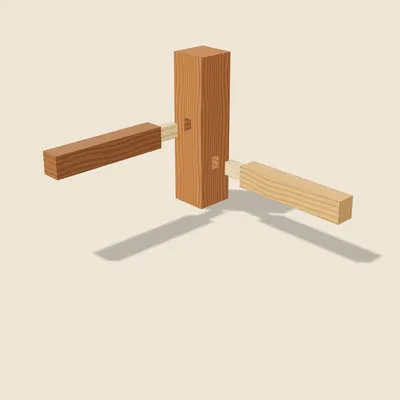
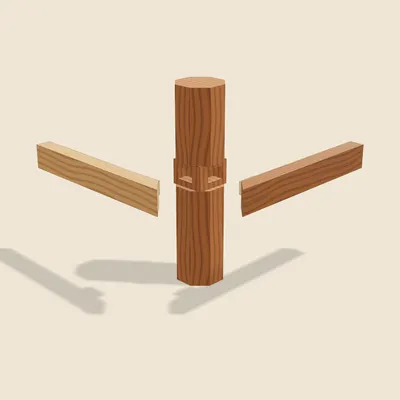
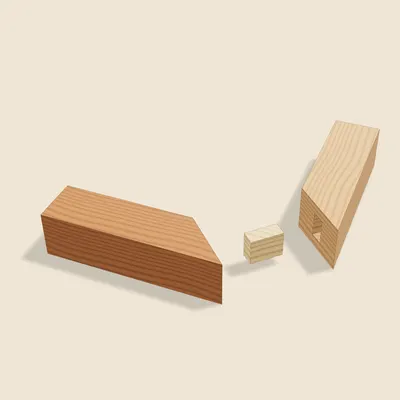
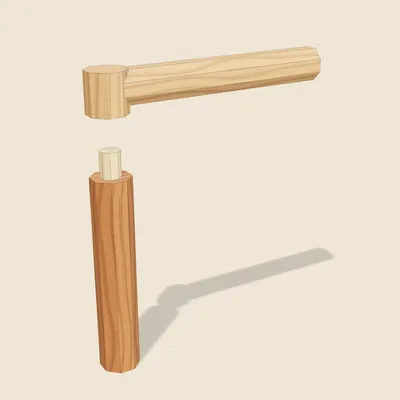
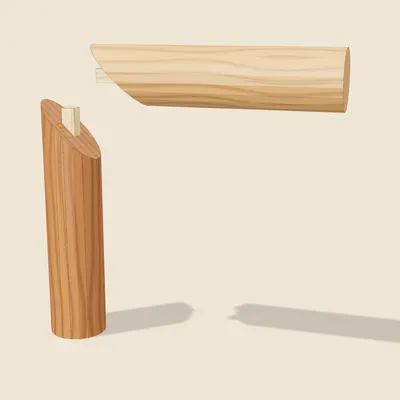
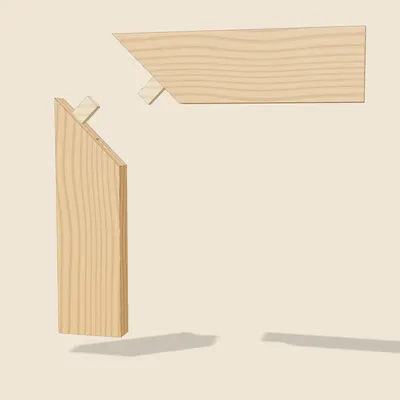
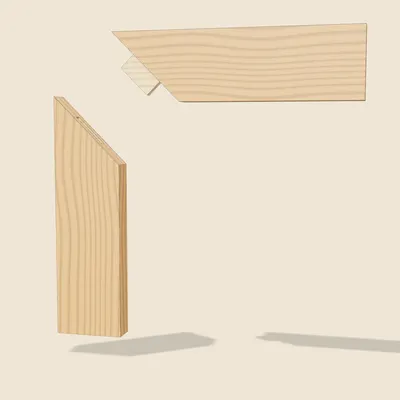
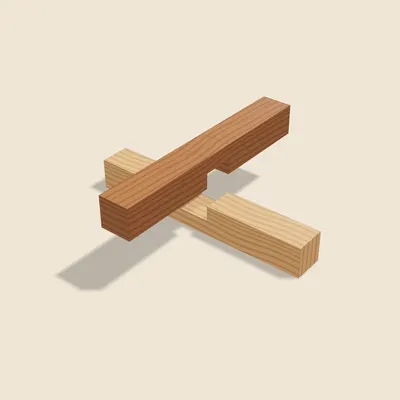
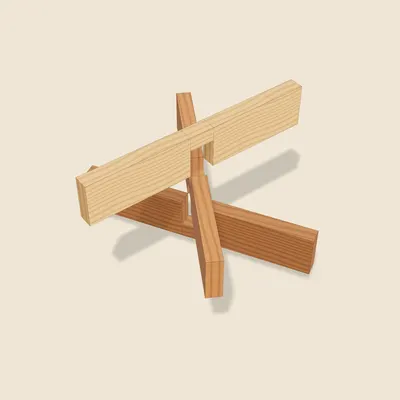
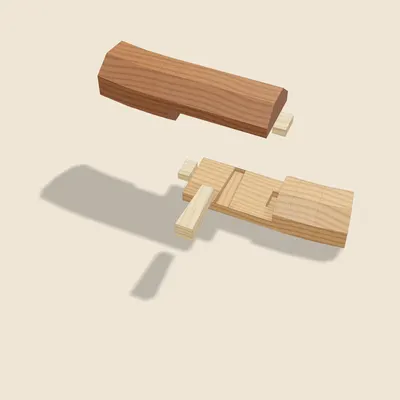
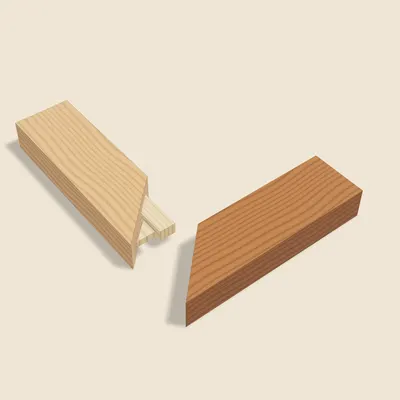
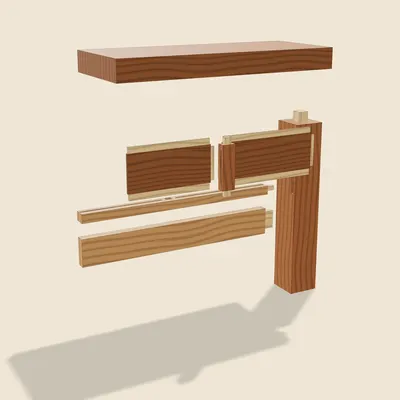
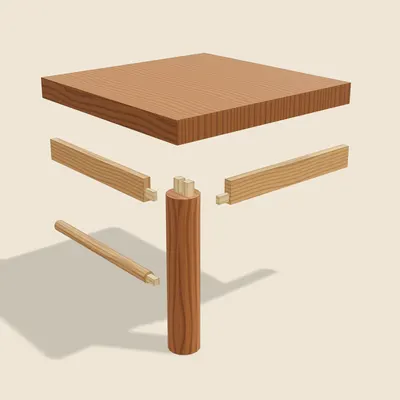
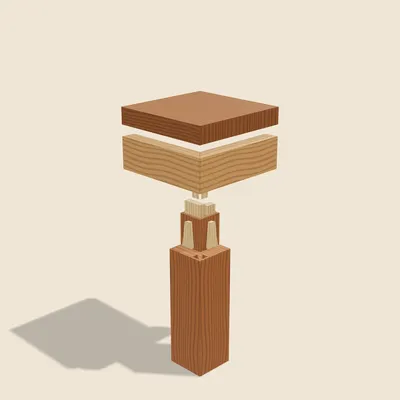
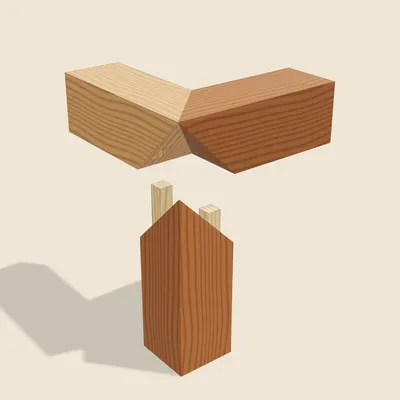
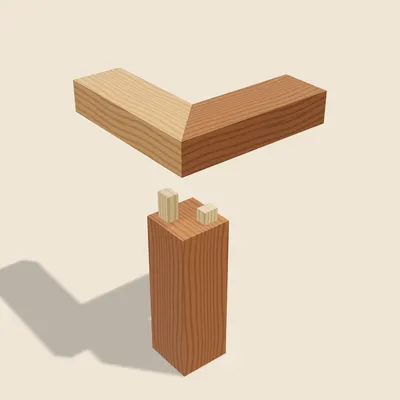
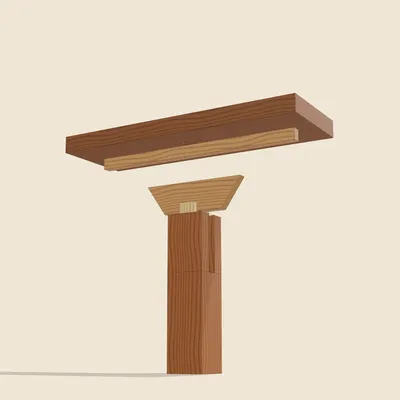
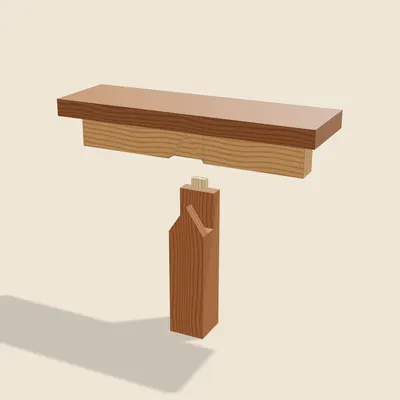
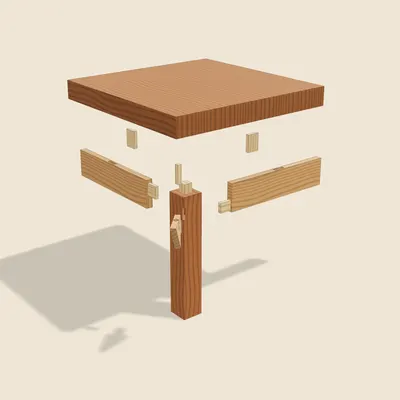
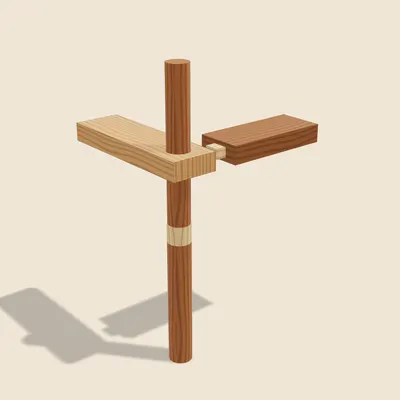
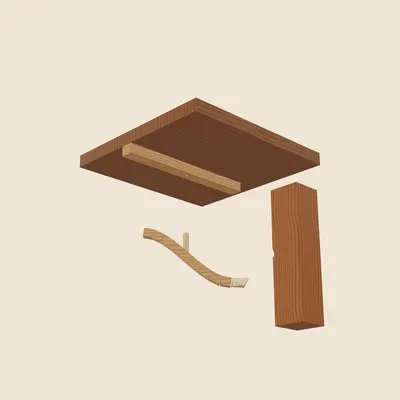
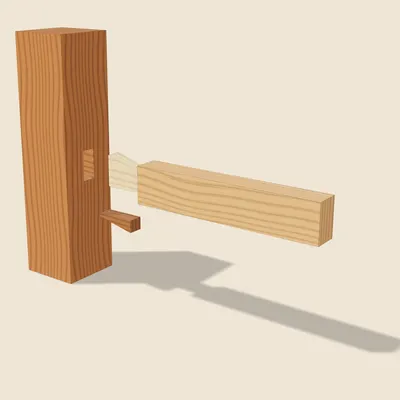
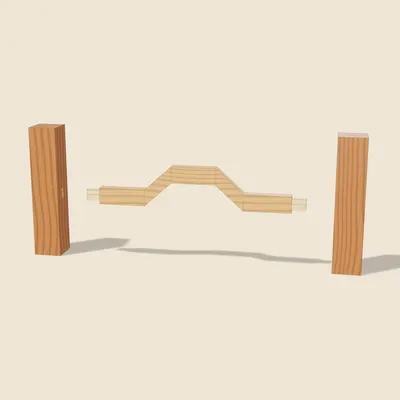
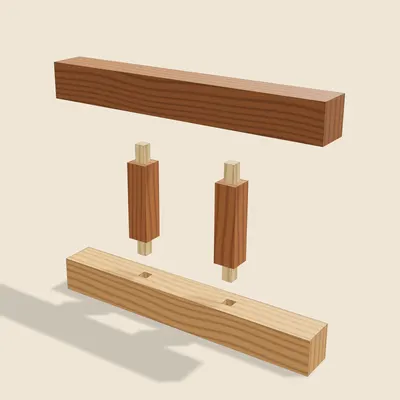
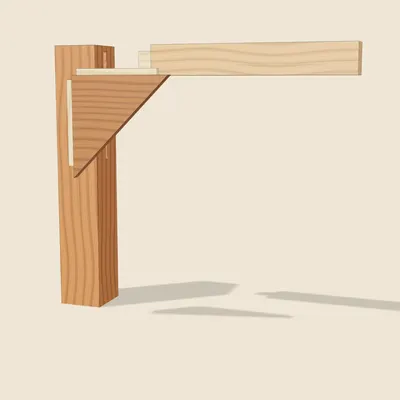
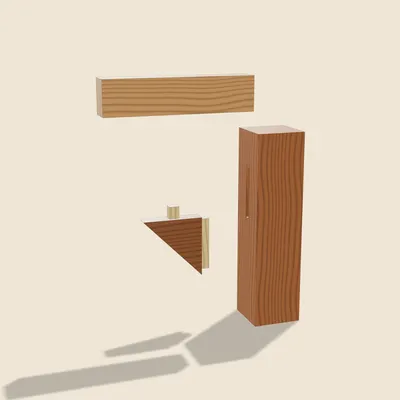
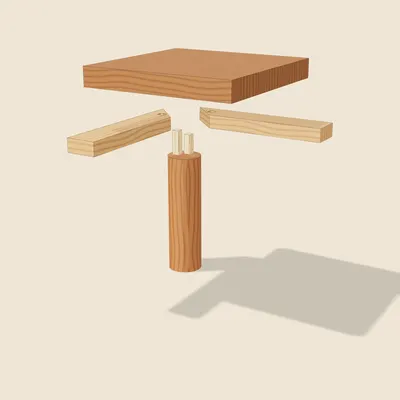
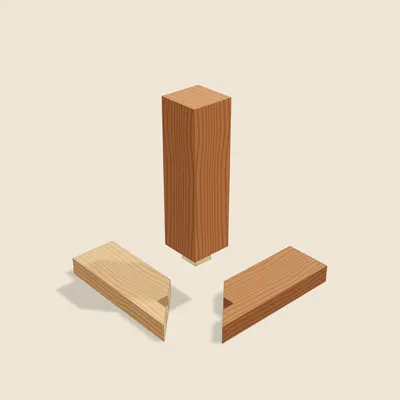
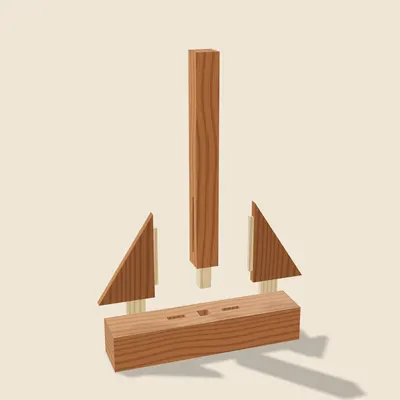
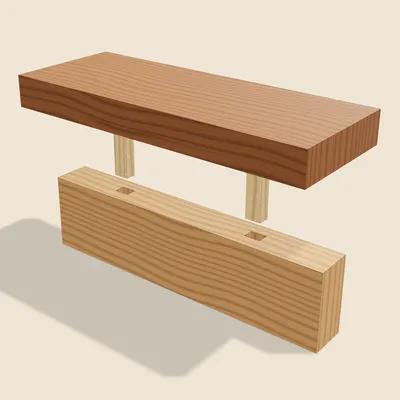
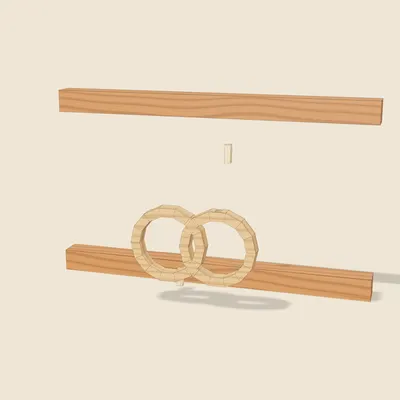
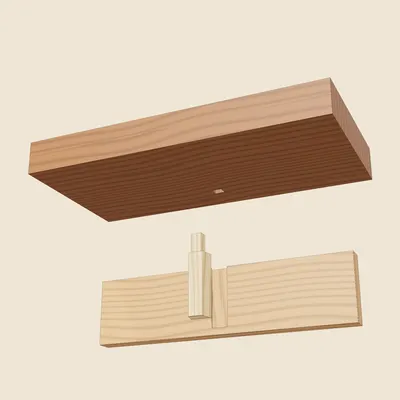
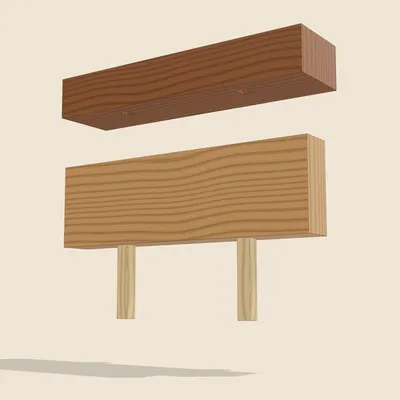
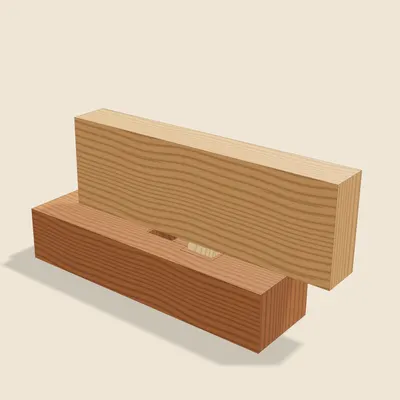
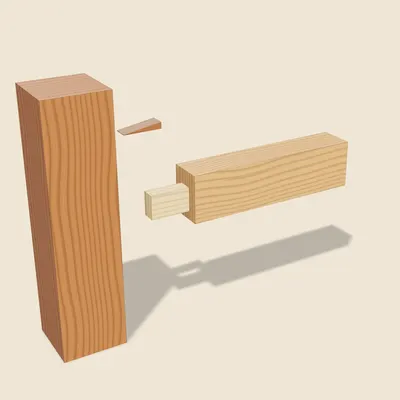
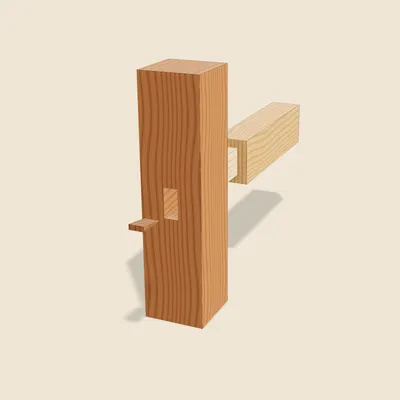
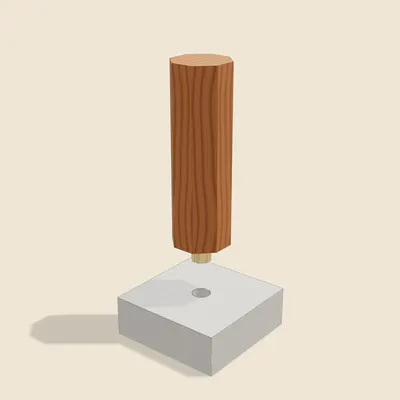
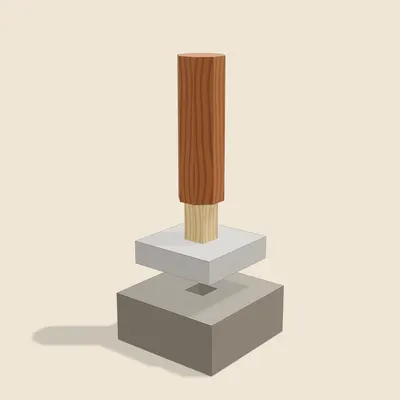
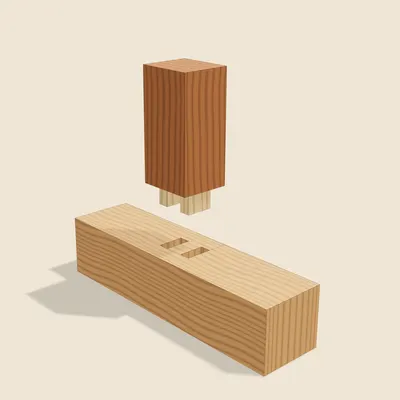
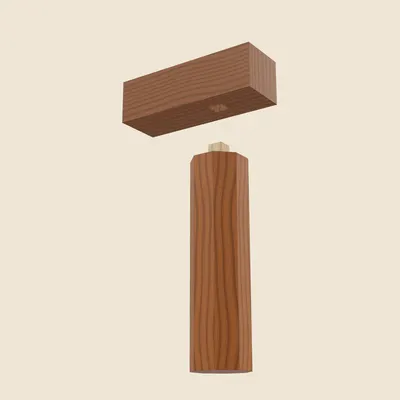
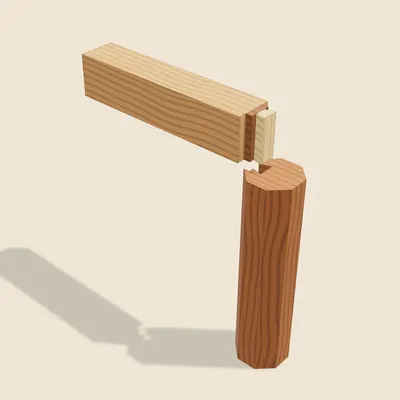
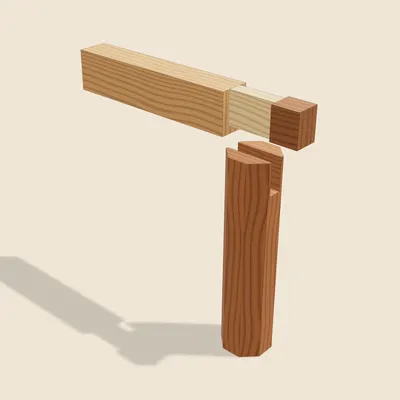
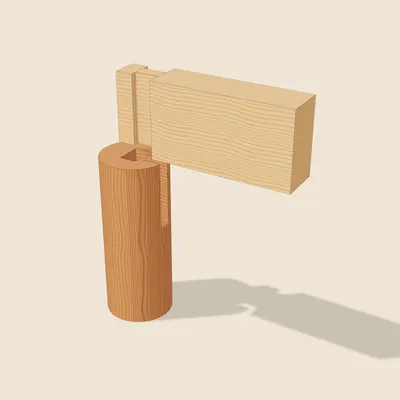
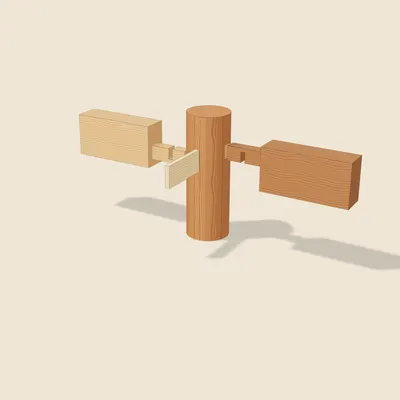
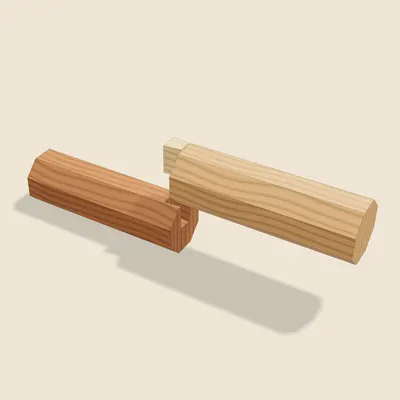
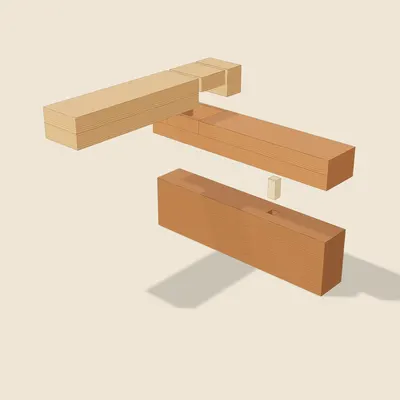
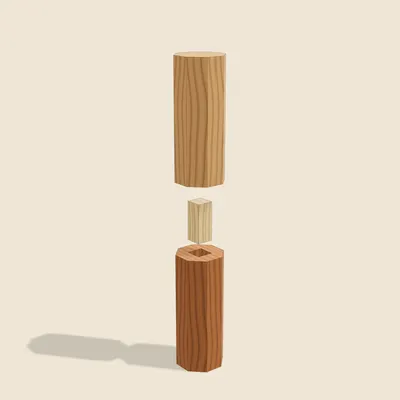
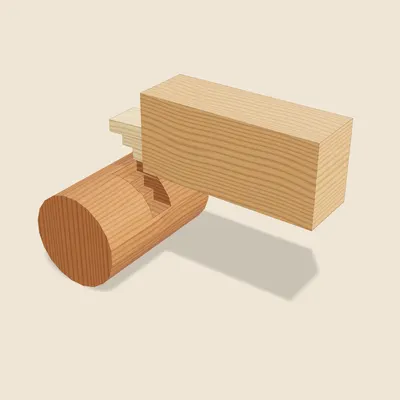
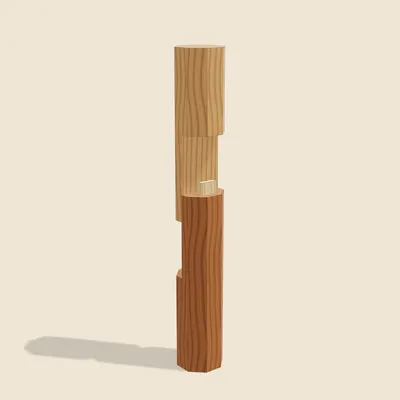
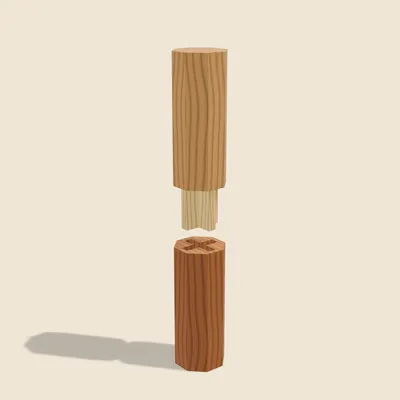
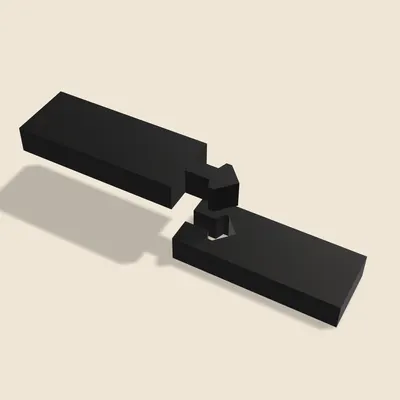
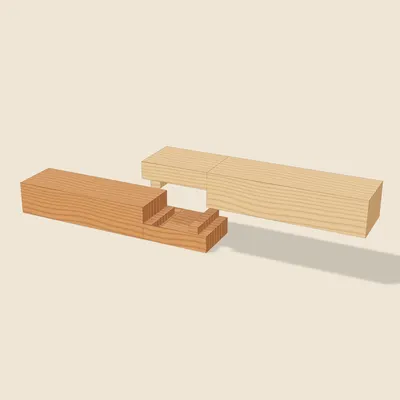
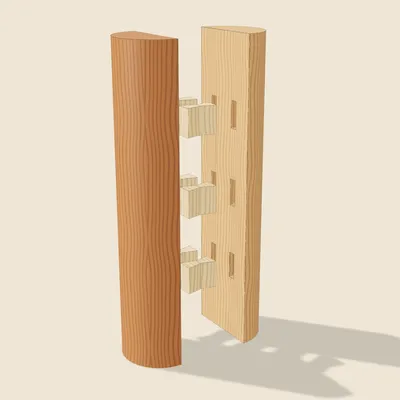
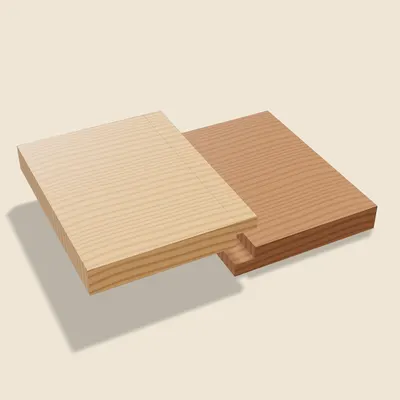
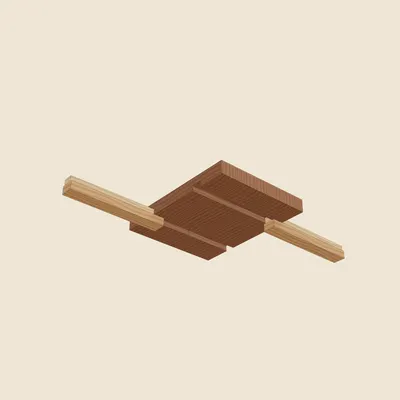
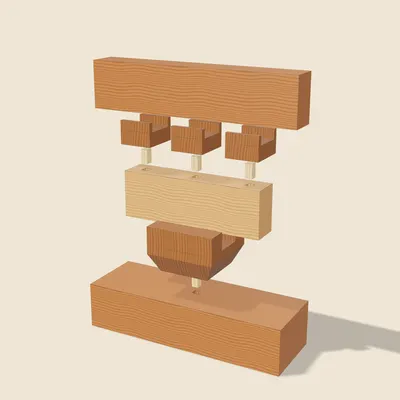
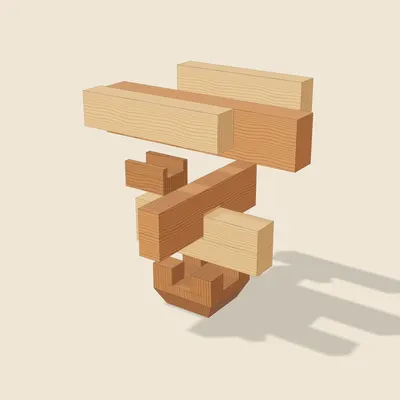
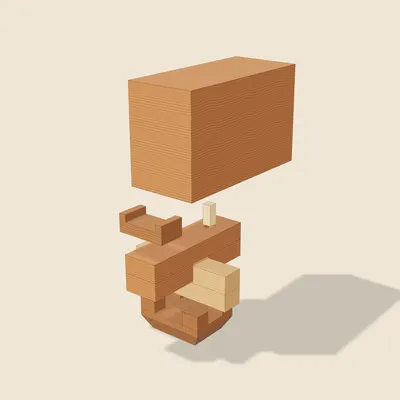
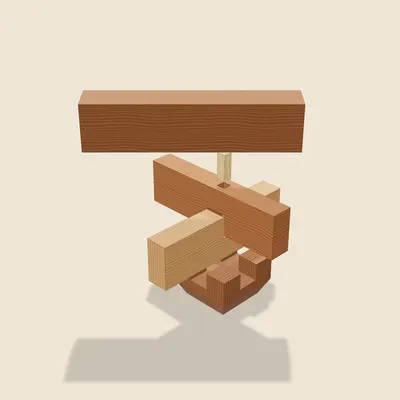
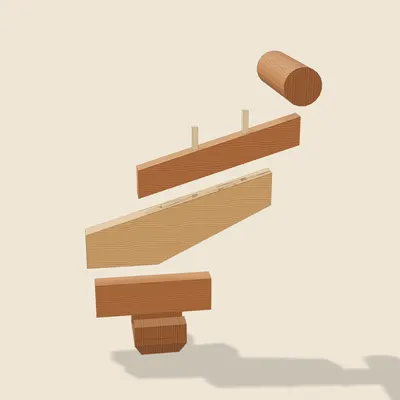
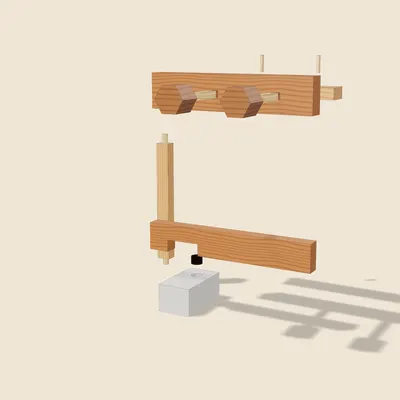
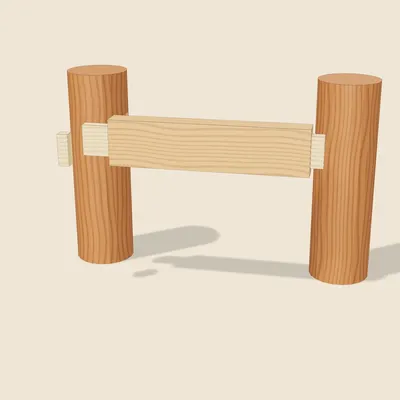
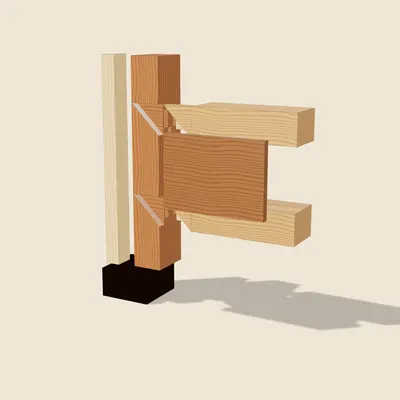
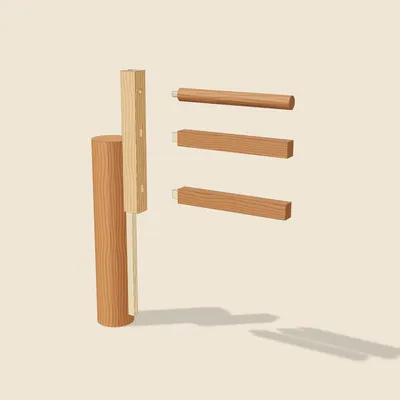
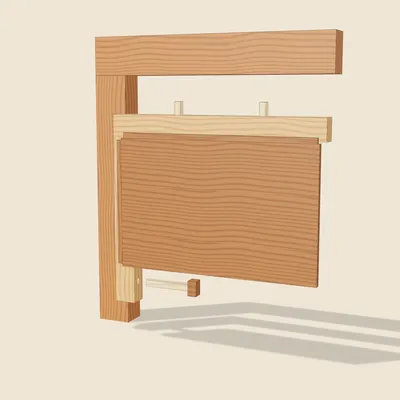
Joints are grouped by how the members meet. Furniture joints follow Ming assembly order—from boards and rails to legs, tops and bases; timber-frame joints follow how posts, beams and brackets meet. Each is shown as a render from the same angle; click any for its 3D model, how it works and how it is made.
Furniture joints
Joints of Ming-style furniture, from the basic meeting of boards, rails and posts, to the way legs carry tops, aprons and bases, and finally the separate pins and keys added to hold it all.
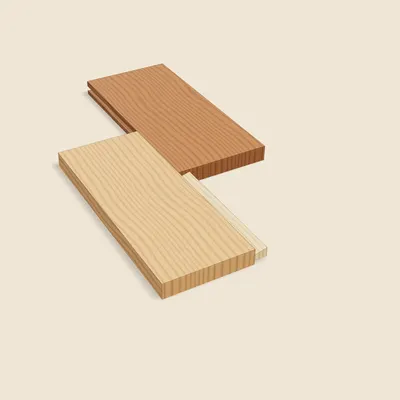
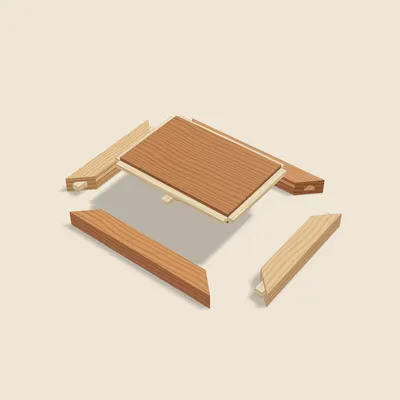
Board edge joints 6
Narrow boards joined edge to edge into a wide one, then kept flat with battens and breadboard ends.
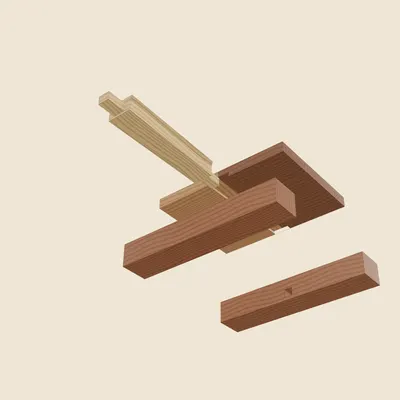
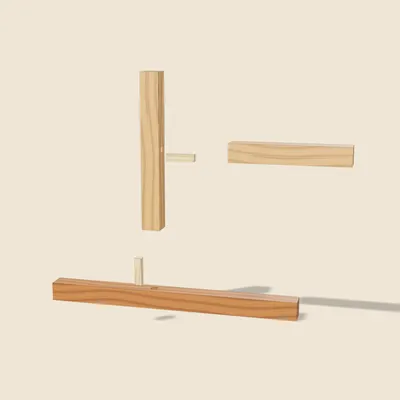
A rail meeting a post in a T, the most common joint in furniture: how the shoulder is cut, whether the tenon runs through, and how several rails share one post.
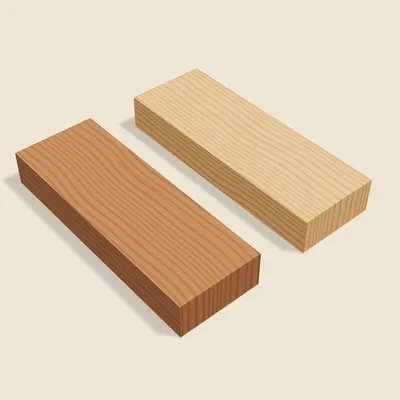
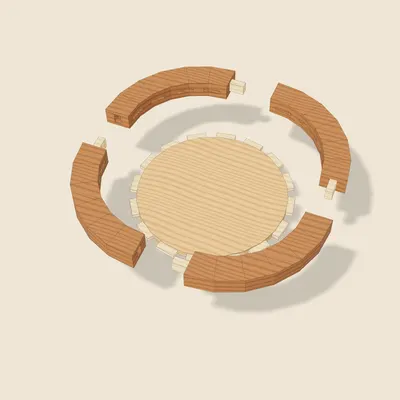
How the legs carry the top and join the aprons and stretchers. This decides the basic form of a table or chair: waisted, unwaisted, flush-sided, recessed-leg or inserted-shoulder.
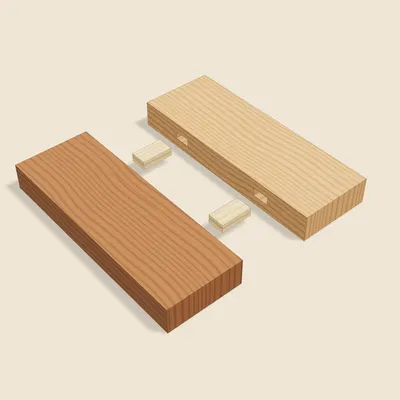
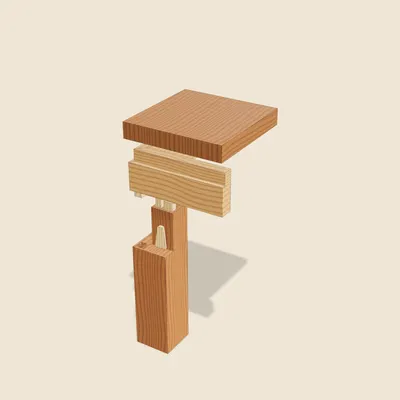
Tenons, pins and wedges made separately and fitted afterwards, where a tenon cannot be cut on the piece, where it must come apart, or where a joint needs tightening.
Joints of building frames, grouped by how the members relate: fixing the posts, tying beams to posts, crossing horizontal members, holding stacked members together, angled and half crossings, and edge-joining boards. A bracket set is an assembly of many such parts.
Fixing posts 3
Joints at the foot of a column or king post that keep it from shifting on its base stone or beam.
The Luban lock is a puzzle of notched sticks that lock each other. It borrows the idea of joinery but is not a structural joint of furniture or buildings. About the Luban lock →