How Chinese joinery works
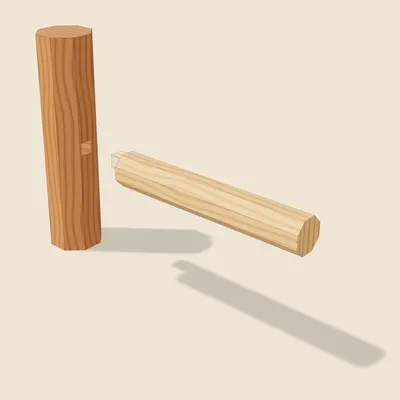
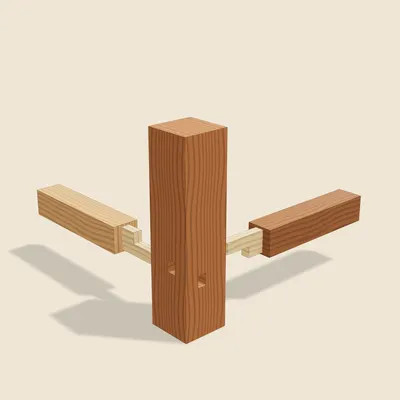
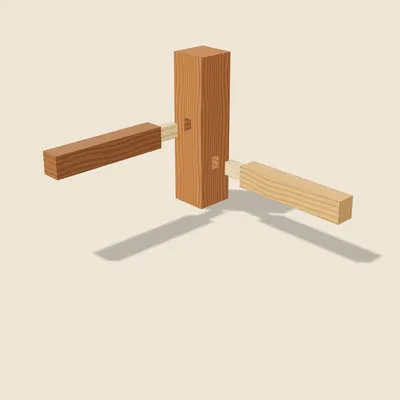
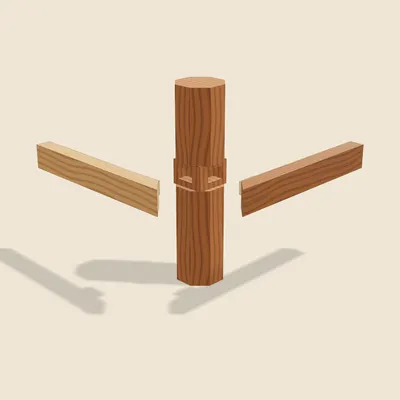
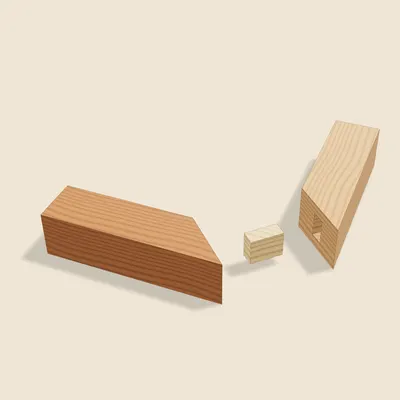
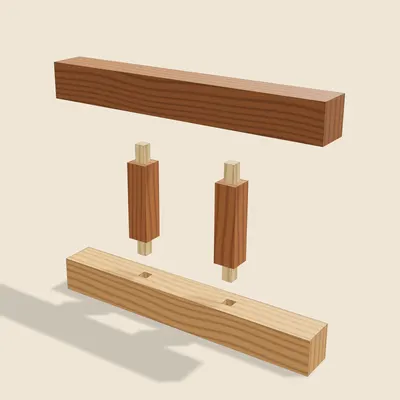
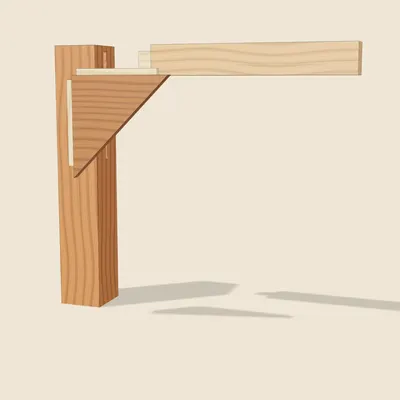
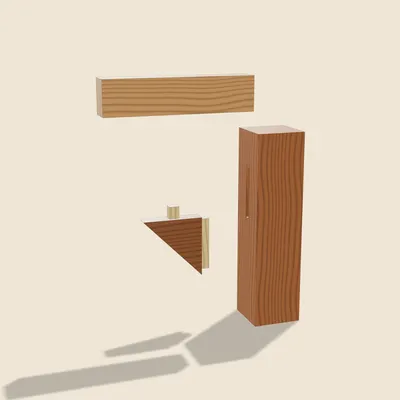
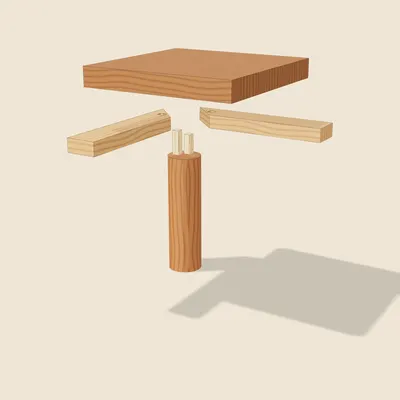
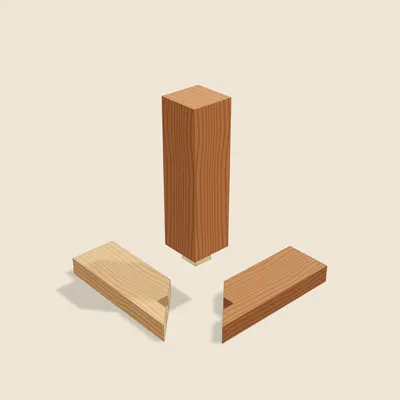
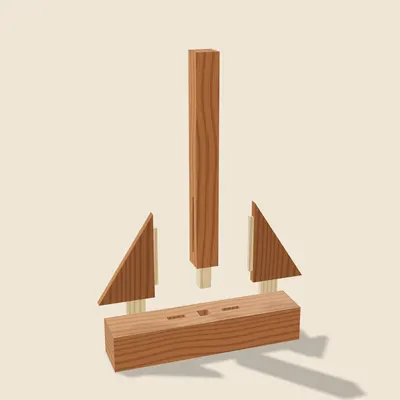
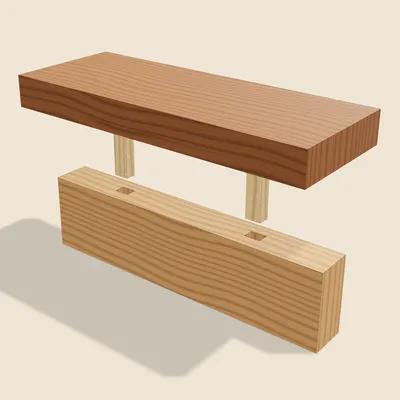
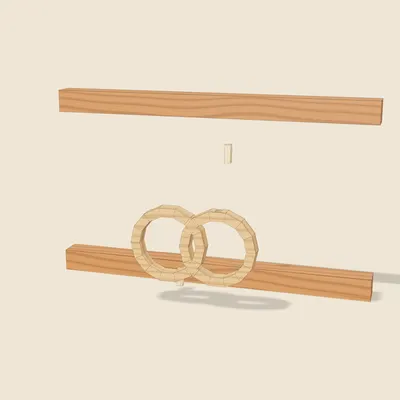
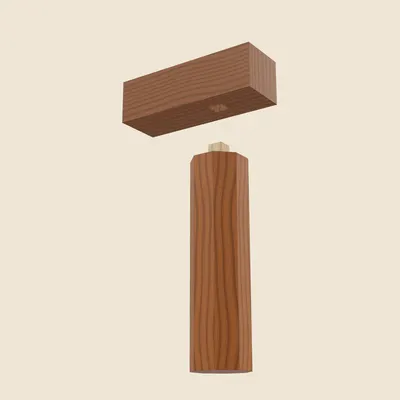
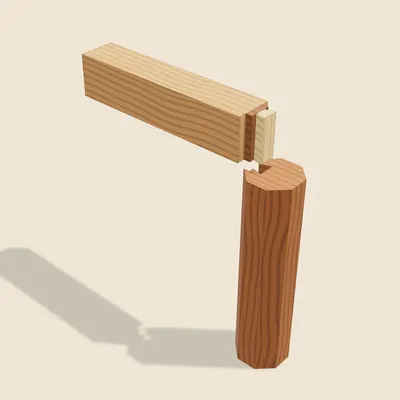
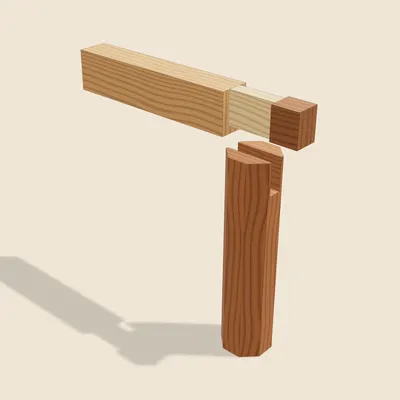
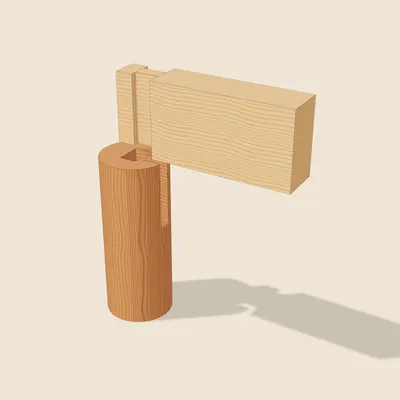
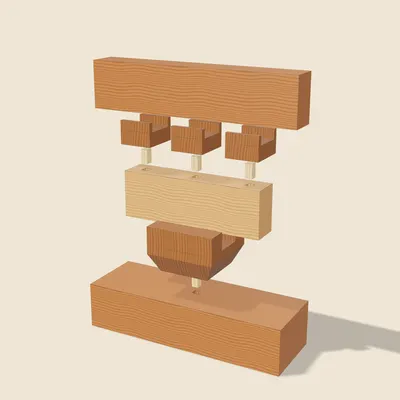
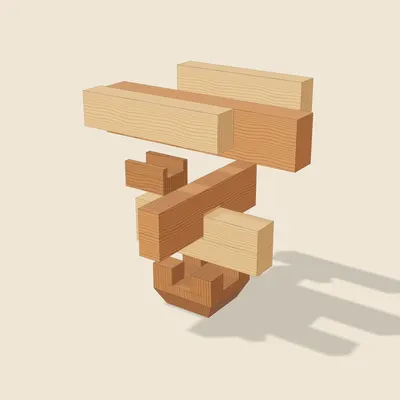
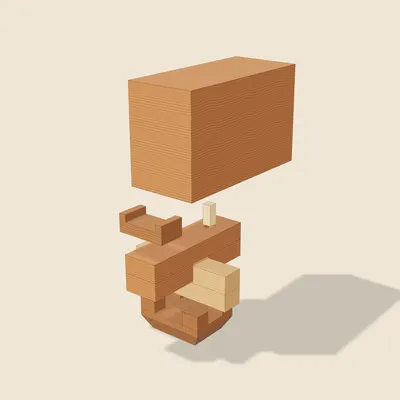
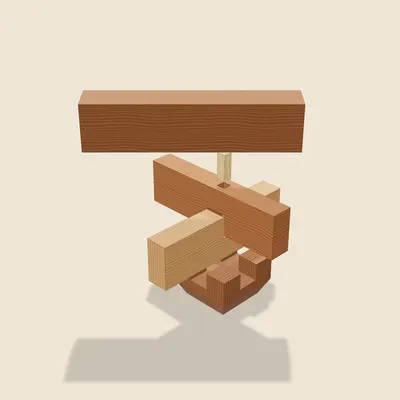
Chinese joinery, sǔnmǎo (榫卯), locks pieces of wood with shaped tenons and mortises instead of nails or screws. This beginner guide shows how that idea works, the main families of joints, and how they come together in a piece of furniture, with a link to a 3D take-apart model for every joint mentioned.
What sunmao means
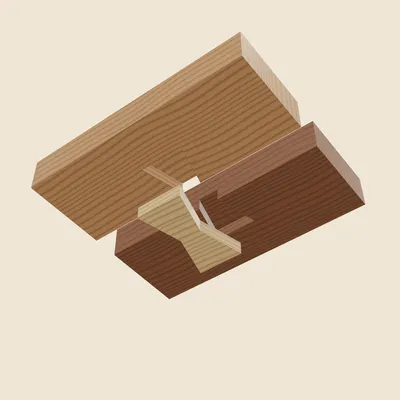
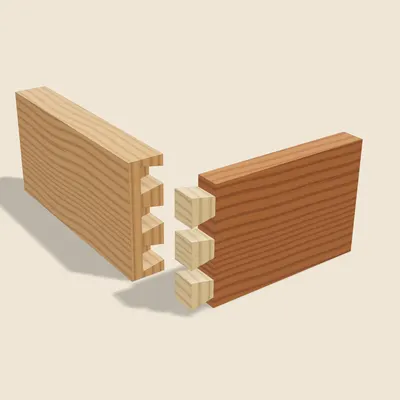
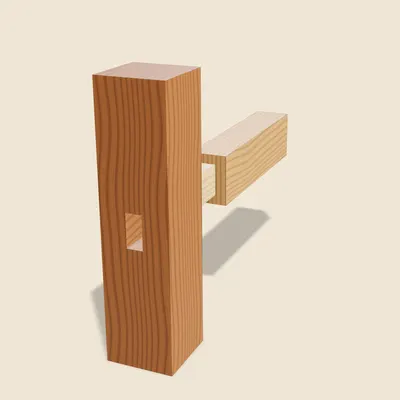
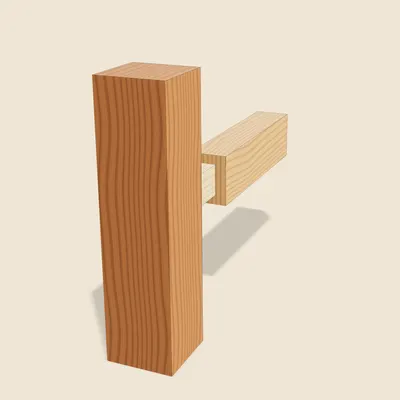
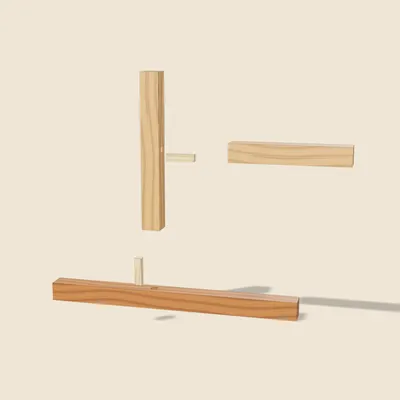
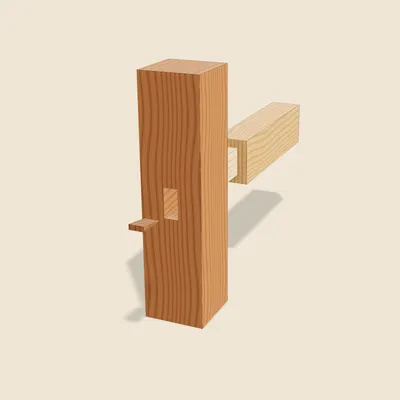
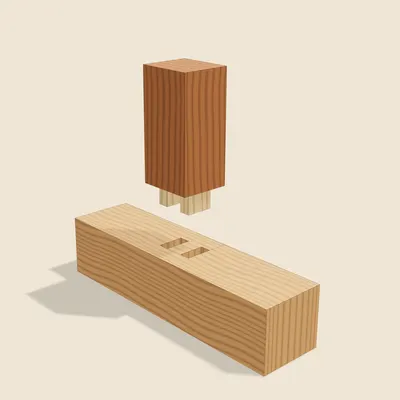
The word joins two characters: 榫 (sǔn), the projecting tenon, and 卯 (mǎo), the hollow mortise that receives it. Strictly it names the mortise and tenon; in everyday use it covers all the ways Chinese woodworkers fit timber together: tenons, laps, mitres, dovetails, pins and wedges. The glossary explains the terms of the trade.
A joint does two jobs at once. It locates the parts, so they meet at the right angle and height, and it locks them, so that loads, knocks and seasonal movement do not pull them apart. Much of the ingenuity of Chinese joinery lies in joints that lock themselves as they are assembled: an apron that tightens as it is hung onto a tapered pin, a key that slides into the narrow end of a dovetailed slot, a wedge driven through a scarf in a curved arm.
A very old idea
Mortise-and-tenon timbers are among the finds at the Neolithic site of Hemudu in Zhejiang, roughly six to seven thousand years old, including square and round tenons, rebated boards and dovetails. The Song-dynasty building manual Yingzao Fashi (营造法式, 1103) records the joints of official timber architecture with drawings, such as the mantis-head splice. The furniture joints most people now think of as Chinese joinery reached their most refined form in the hardwood furniture of the late Ming and early Qing, the subject of Wang Shixiang’s classic study.
Why joints instead of nails
Wood moves: it swells and shrinks across the grain with the seasons. A frame of well-fitted joints can carry a floating panel that is free to move, where nails would split the board or work loose. Joints can also be taken apart for moving or repair. Joinery without nails goes into this in more detail.
The families of joints
Furniture joints and building joints are classified differently. Furniture joints follow the order in which a Ming piece is put together:
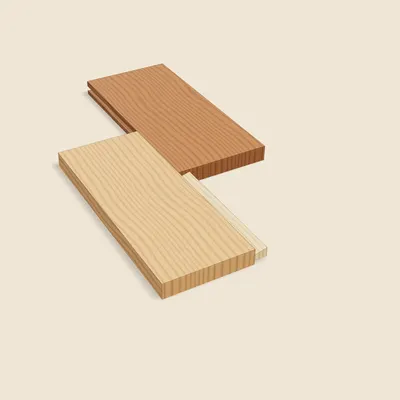
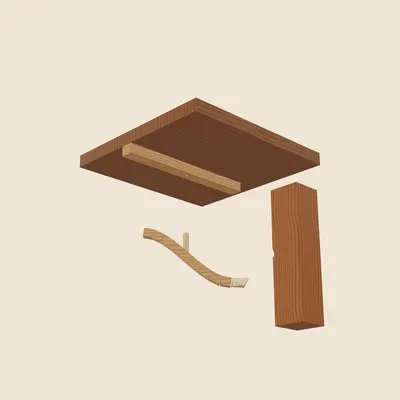
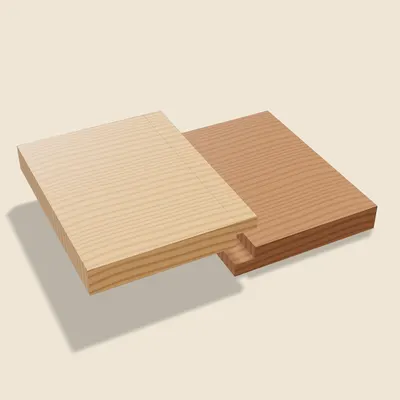
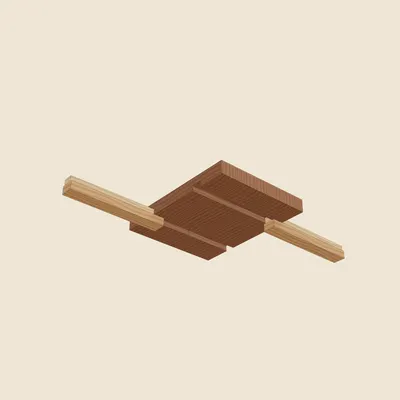
- Board edge joints: tongue-and-groove edges, dovetailed battens, breadboard ends.
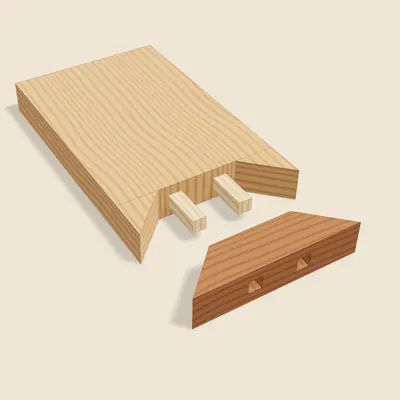
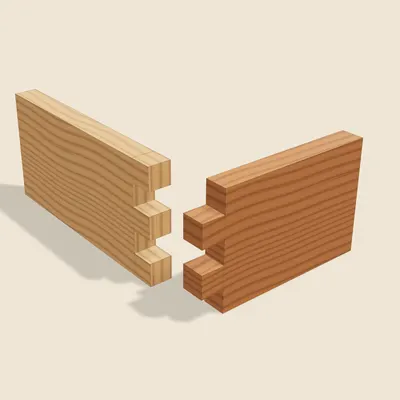
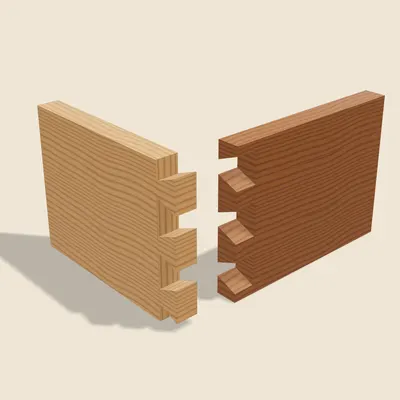
- Board corners: drawer and box corners, from the open corner to the concealed dovetail.
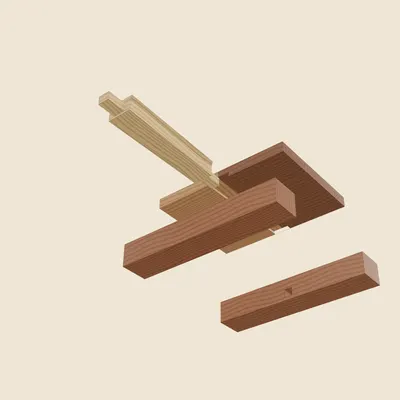
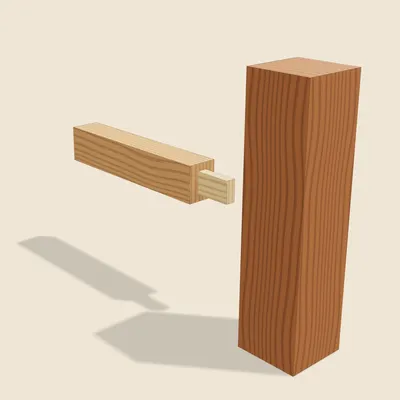
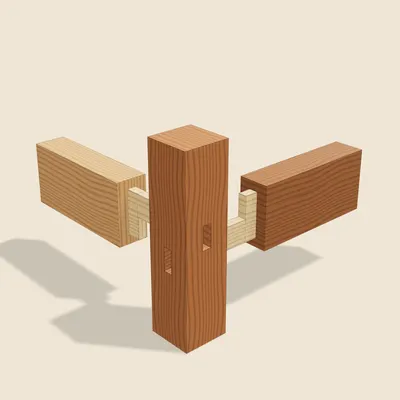
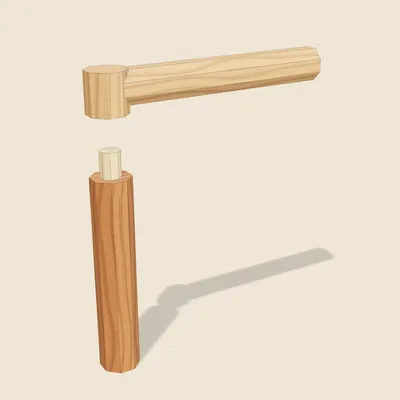
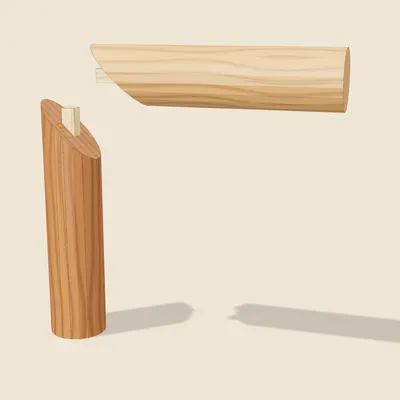
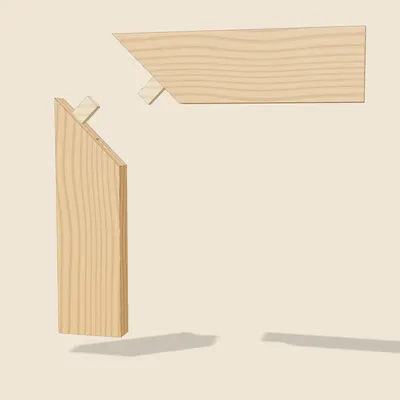
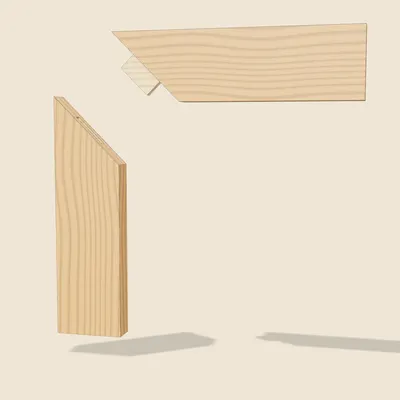
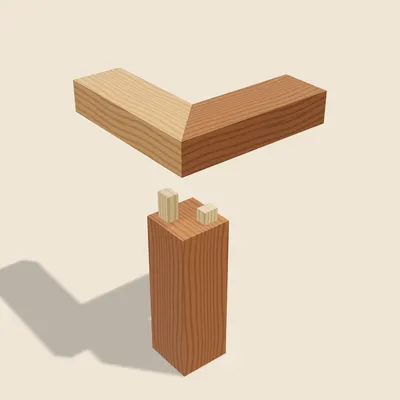
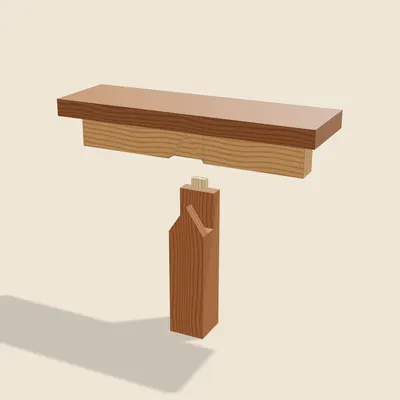
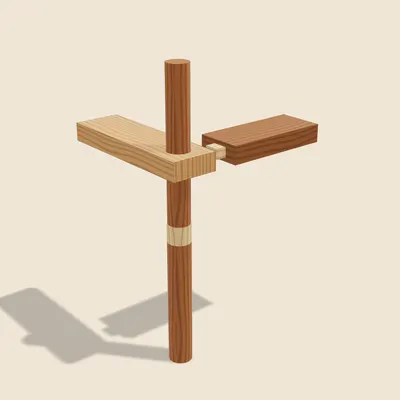
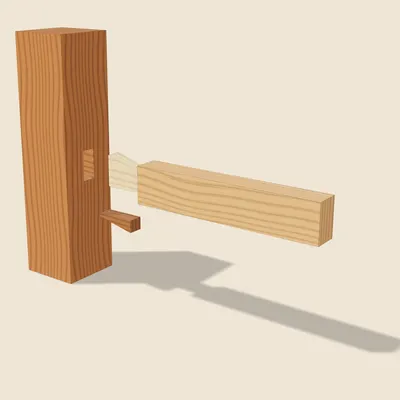
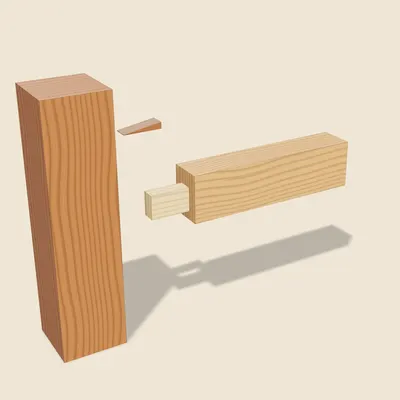
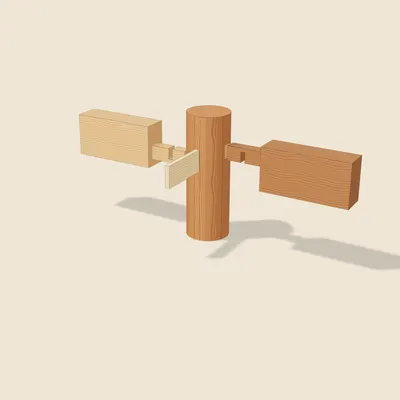
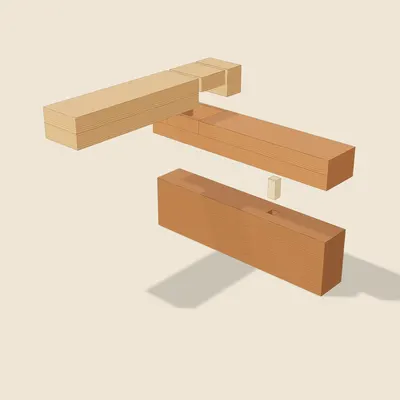
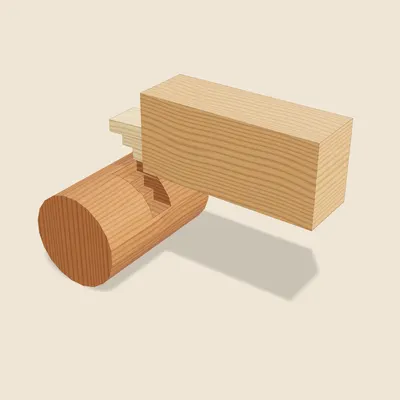
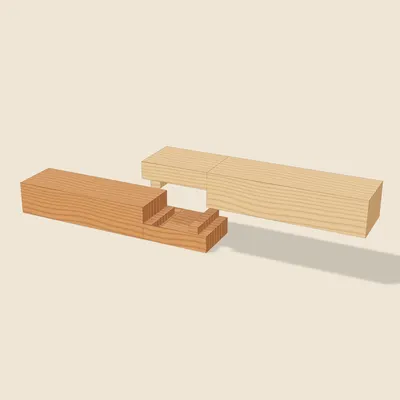
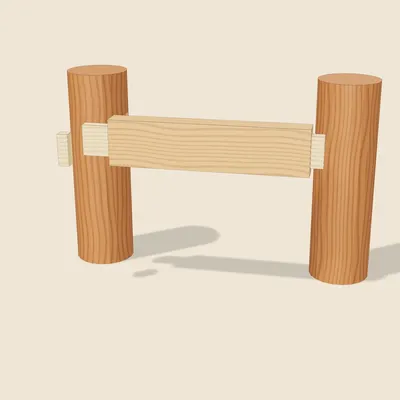
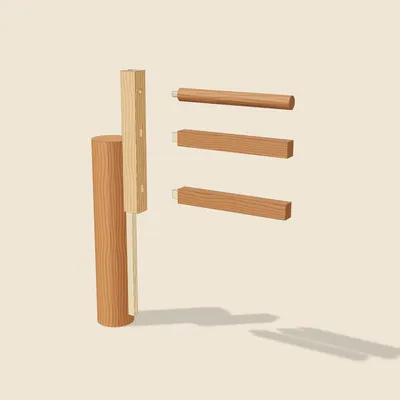
- T-joints of rails and posts: mitred shoulders, through and blind tenons.
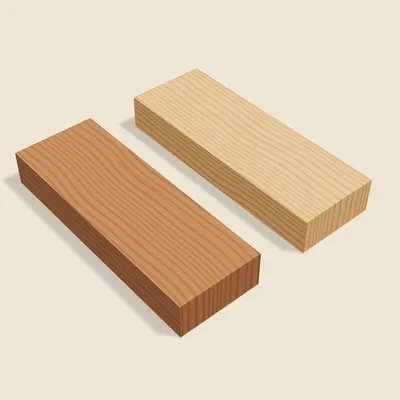
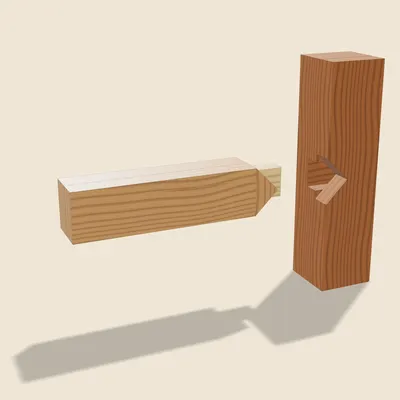
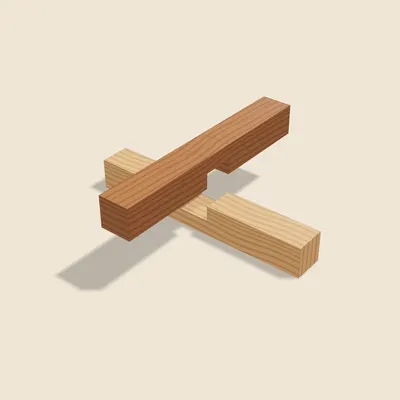
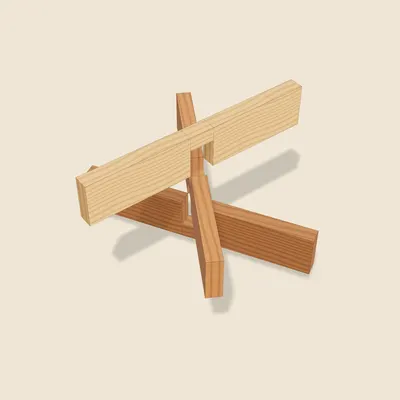
- Corners of square stock and slats, and crossing members: the pipe-bowl joint of a chair, the cross-halving.
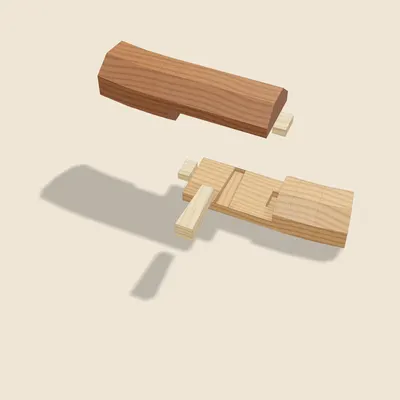
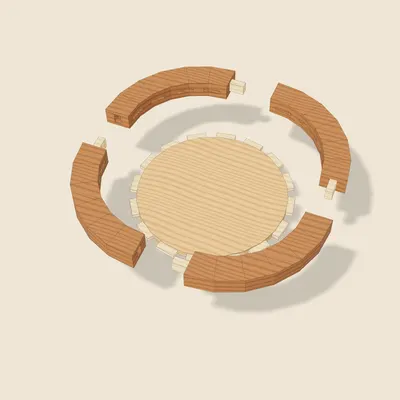
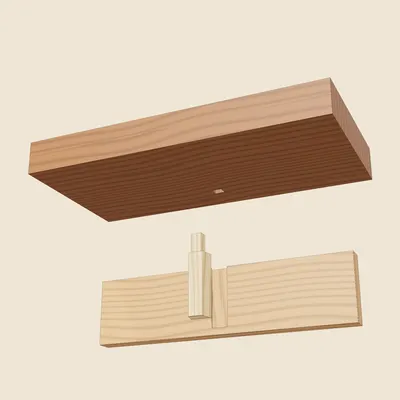
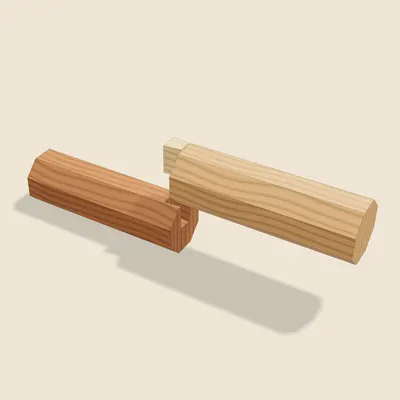
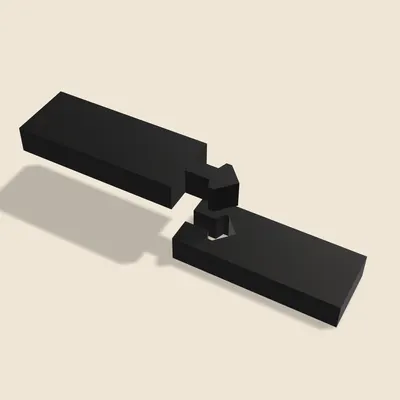
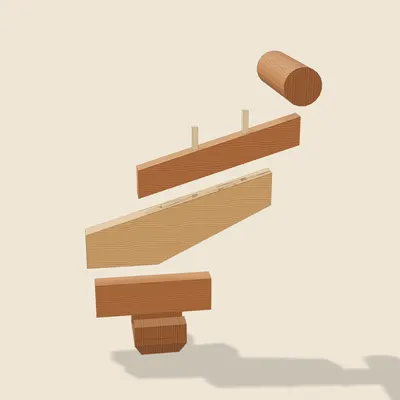
- Splices and curved members: the wedged scarf of a roundback chair arm.
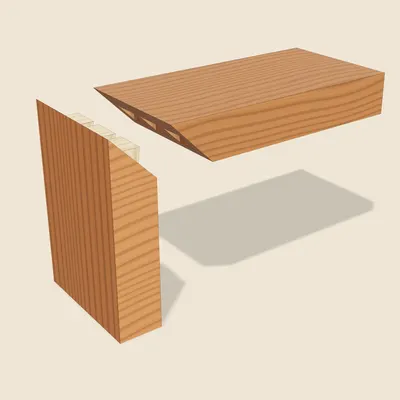
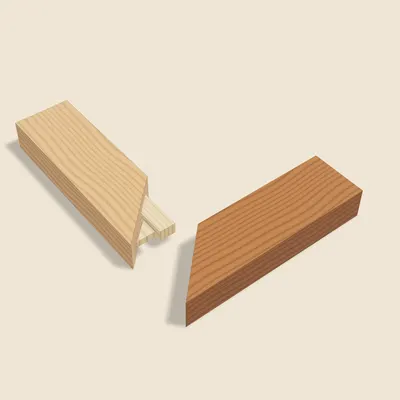
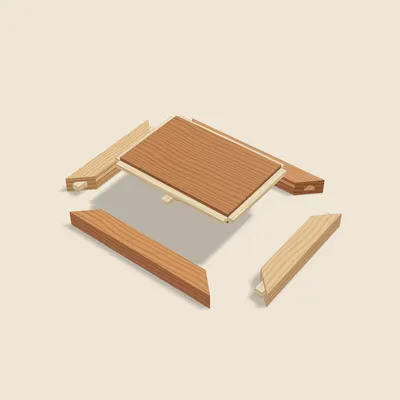
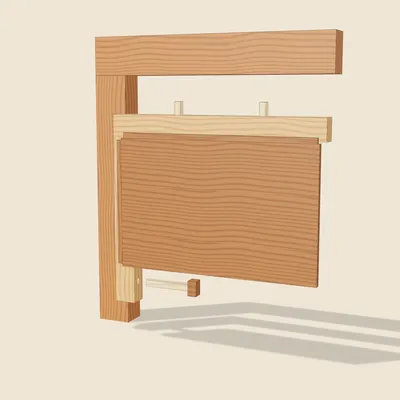
- Mitred frames and panels: the mitred frame corner and the floating panel.
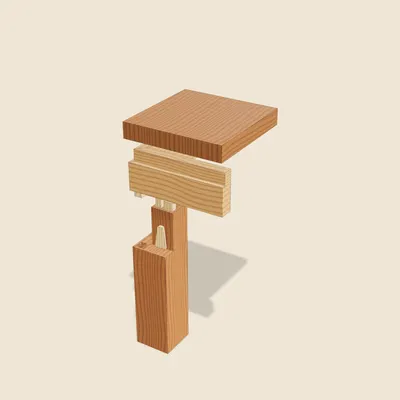
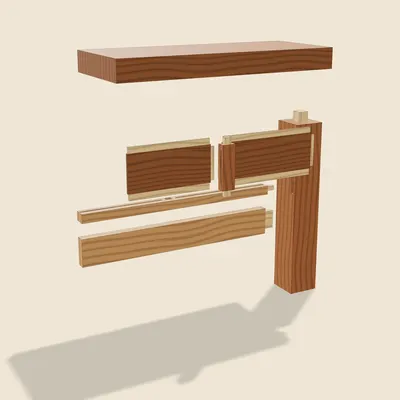
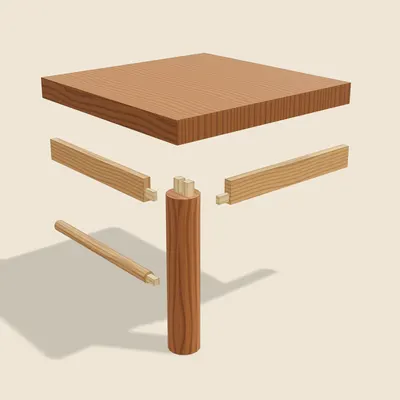
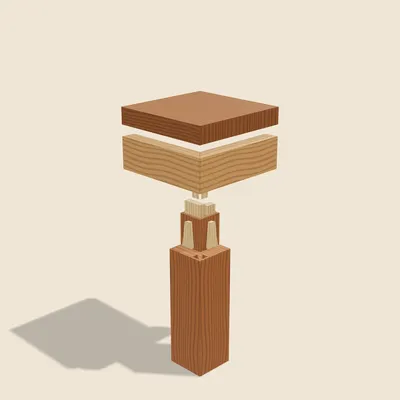
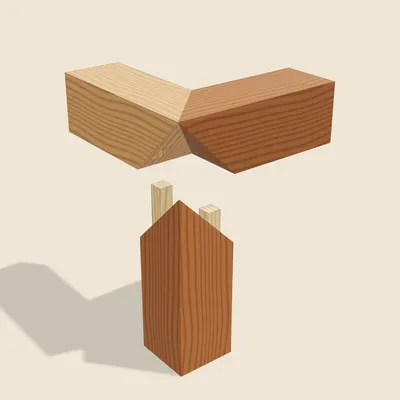
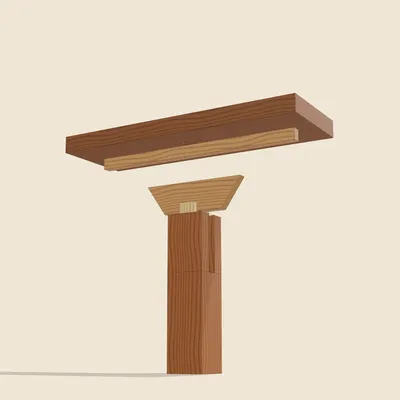
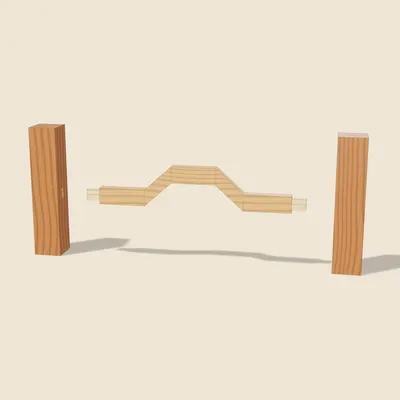
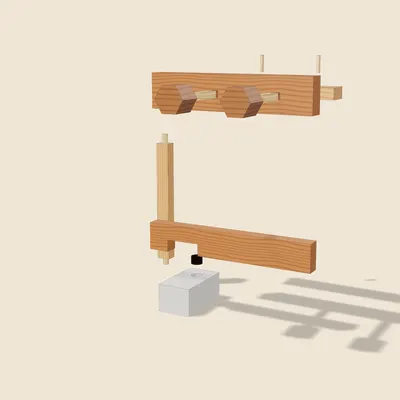
- Legs, tops and aprons: baojian, clasping-leg, inserted-shoulder, the three-way mitre, the S-shaped brace.
- Legs and bases: the base frame and the wooden foot.
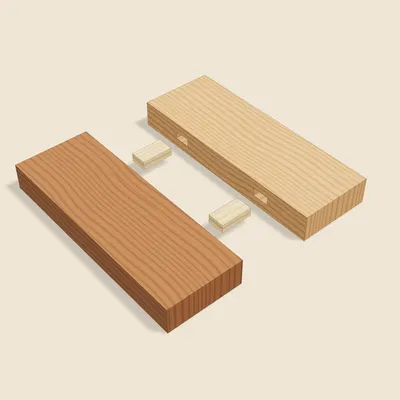
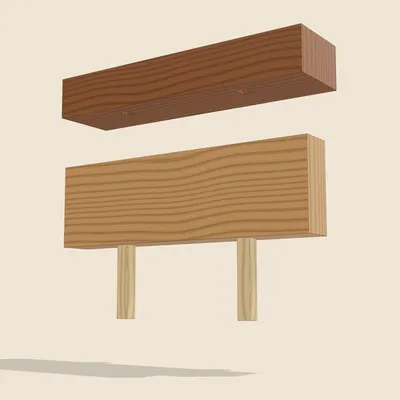
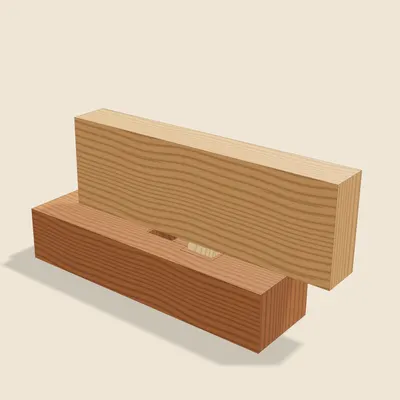
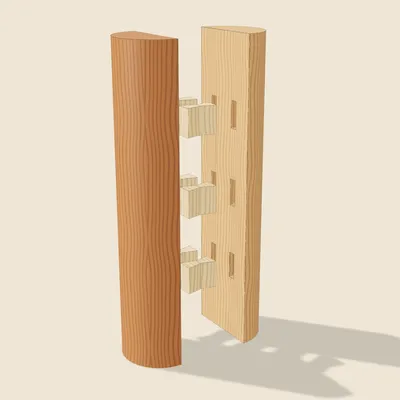
- Loose tenons, pins and wedges: loose tenons, sliding locks, wedges.
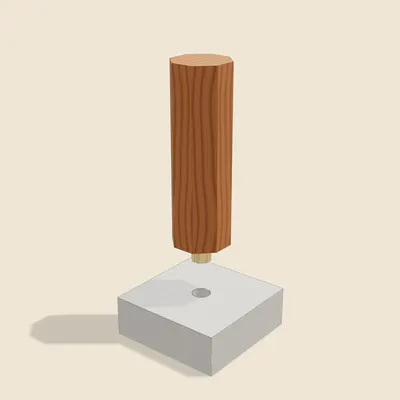
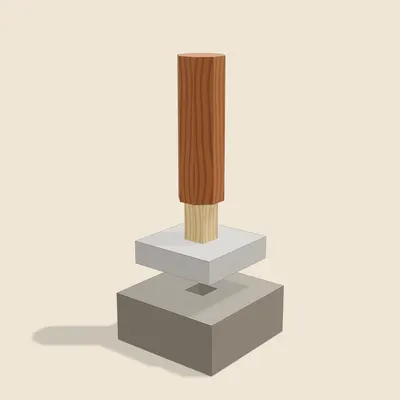
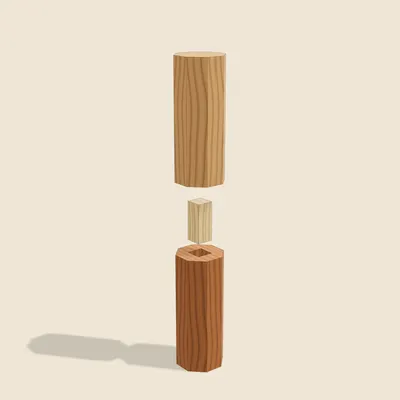
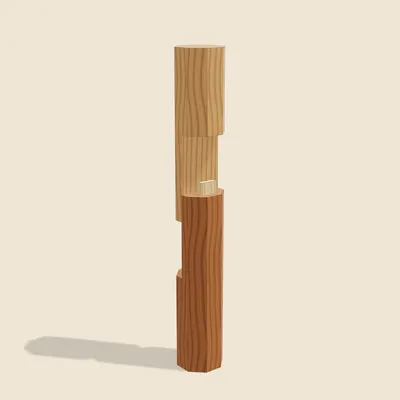
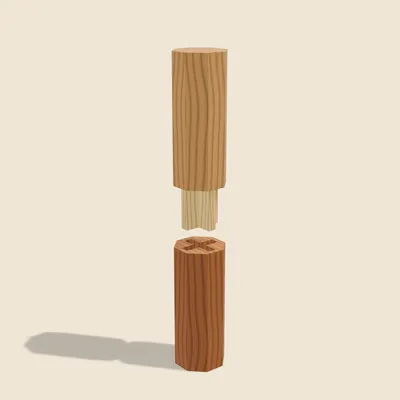
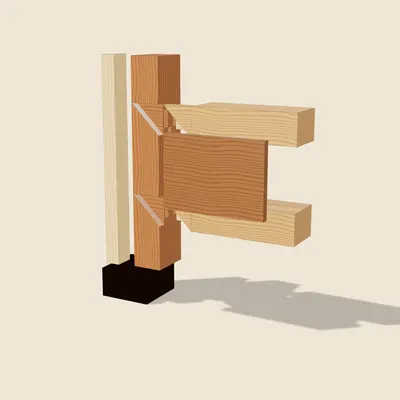
Timber-frame joints are grouped by how the members of a building meet: fixing posts (column-foot tenon), tying beams to posts (dovetail with sleeve shoulder), crossing horizontal members, holding stacked members, angled crossings and edge-joining boards; bracket sets are whole assemblies. The Luban lock is a puzzle rather than a structural joint.
The visual guide to joint types shows every joint as a render, grouped the same way.
Reading a Ming table
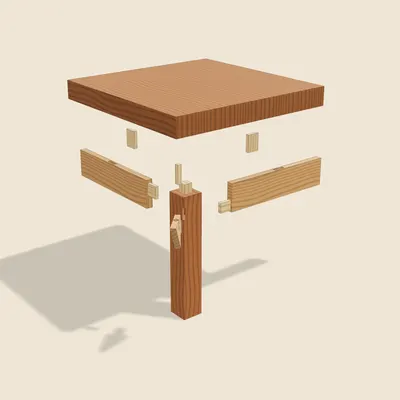
Two decisions shape most Chinese tables. The first is whether the legs stand at the corners (a zhuo 桌) or are set in from the ends (an an 案). Recessed-leg tables use the clasping-leg or inserted-shoulder joint. The second is whether there is a waist under the top. Waisted tables join leg, waist and apron with the baojian joint; flush-sided ones use the three-way mitre. Underneath, the top is almost always a mitred frame with a floating panel, held flat by battens. The furniture pages take whole pieces apart in this way, and characteristics of Ming furniture puts the joinery in context.
Where to start
If you are new to the subject, start with the blind tenon and the through tenon, the basic forms behind everything else; then the mitred frame corner, the baojian and the clasping-leg joint. Each page has a 3D model you can take apart, step-by-step diagrams and free STL files. For comparisons, see Chinese vs Japanese joinery; for books, further reading.