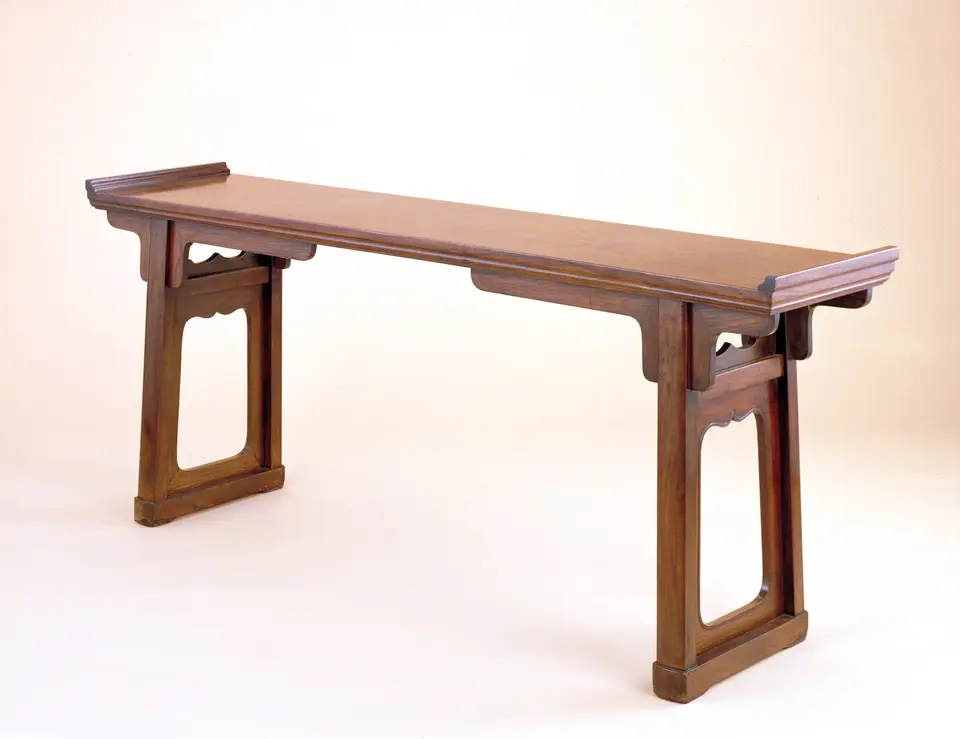
榫卯Chinese Joinery
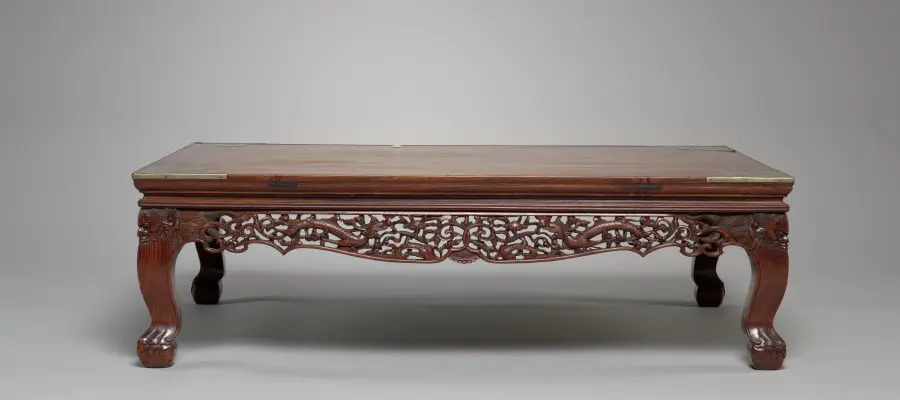
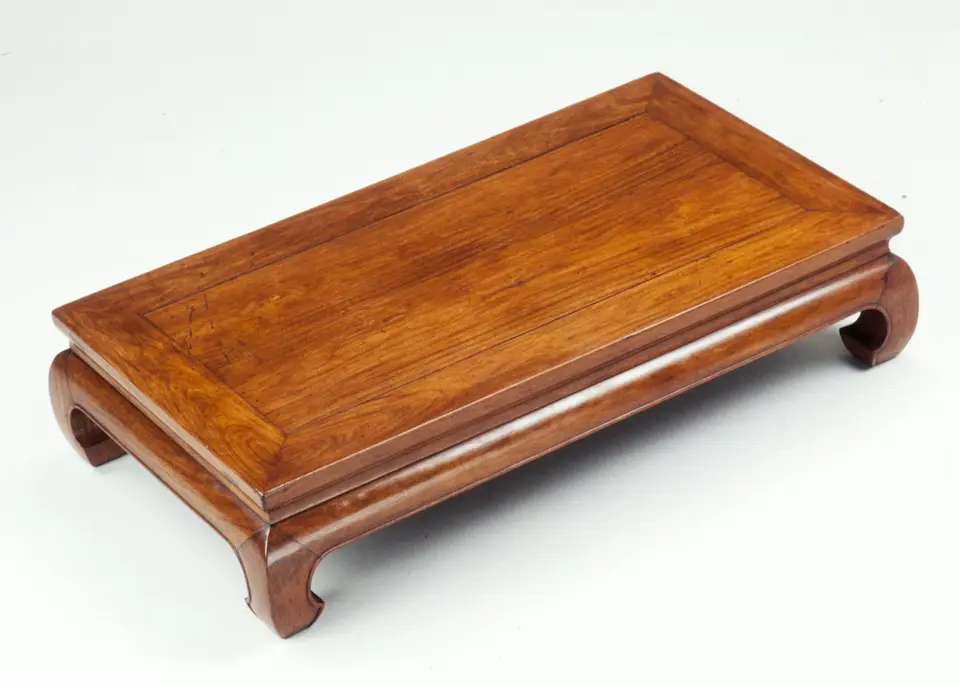
Low Table (kang zhuo) with Dragons in Clouds, huanghuali and metal, 1600s–1700s, Cleveland Museum of Art, accession no. 1964.228
The art of Chinese joinery

Furniture held together
by geometry.

The corners of a Ming table hide a vocabulary of interlocking joints. We take them apart, one by one, so you can see exactly how they work.

Kang table, 1600s–1700s · Cleveland Museum of Art

Featured joints

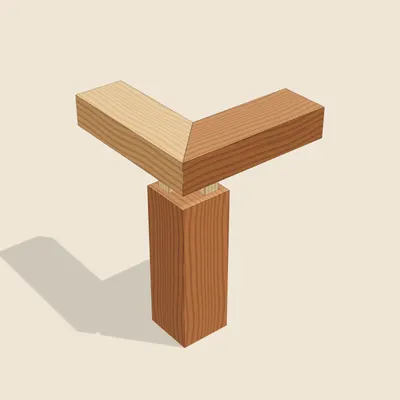
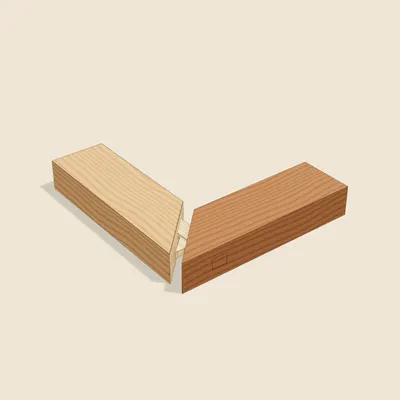
Start with the classic corners.

All 54 joints →

3D

Take a joint apart

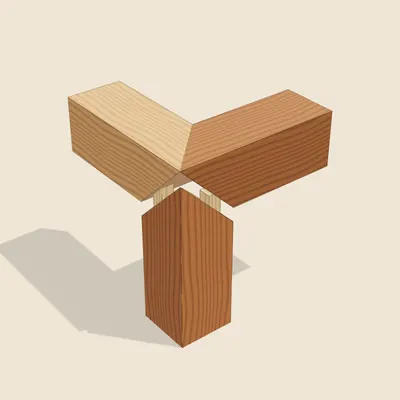
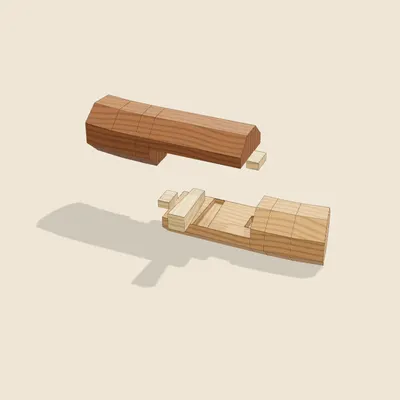
Drag to rotate. Slide to pull the zongjiao joint apart, then press Assemble and watch three square members close on a single point. Every joint guide comes with a model like this.

Read the zongjiao guide
3D ▶

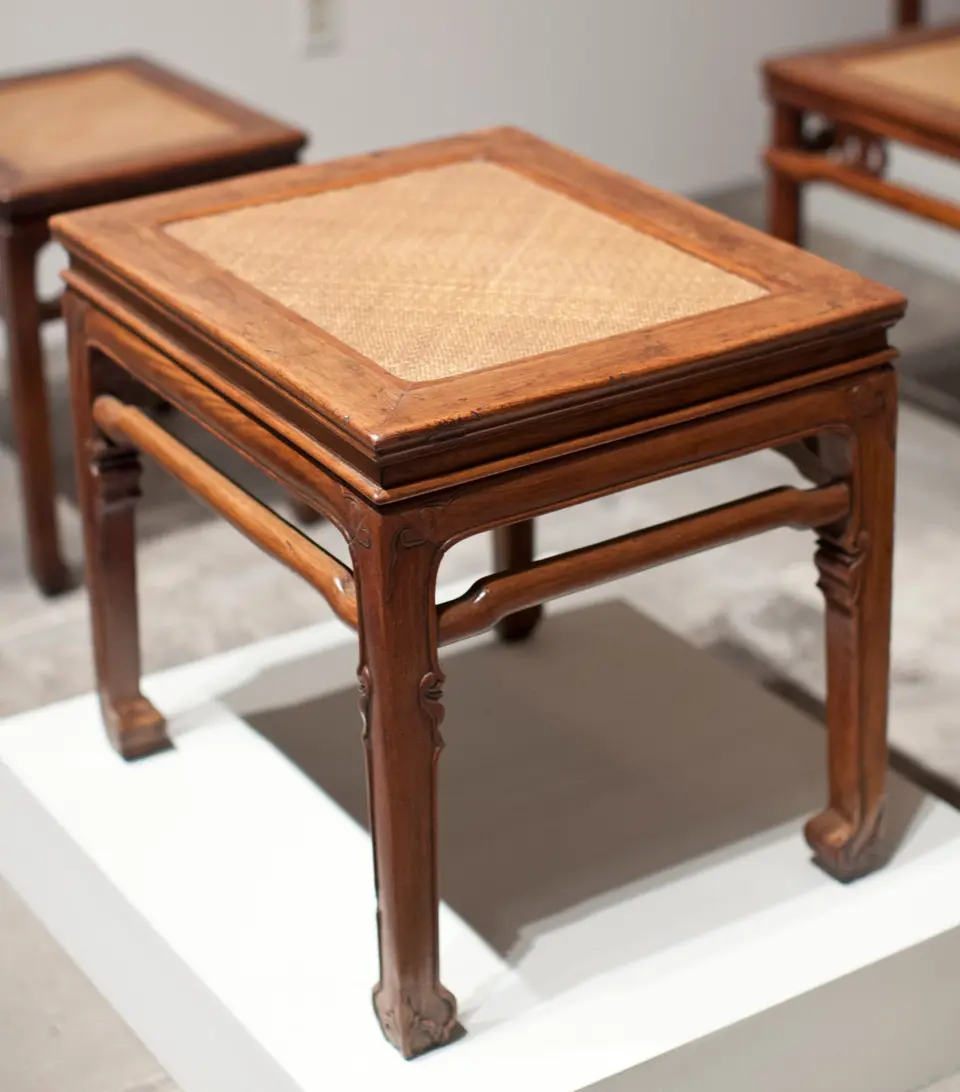
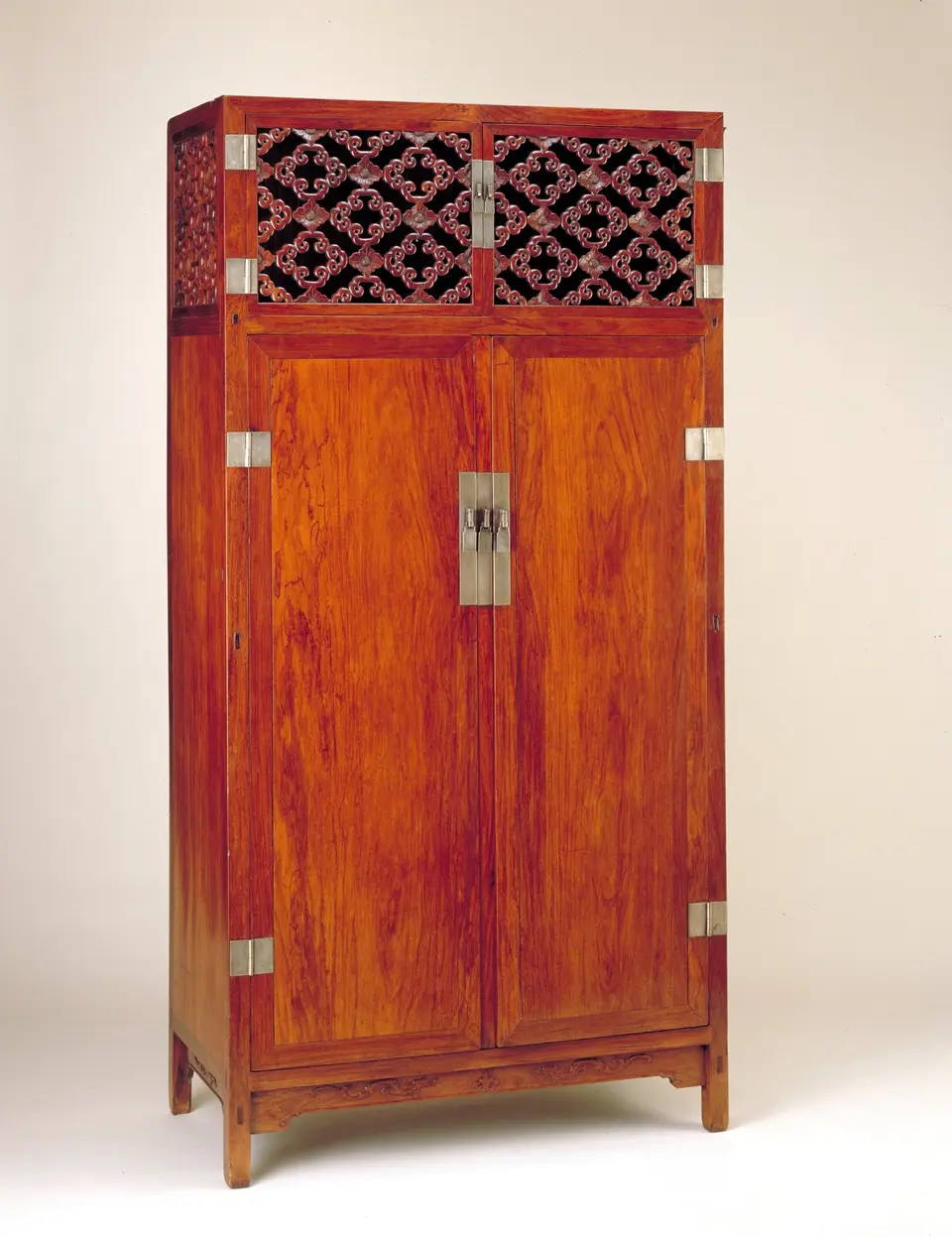
Explore by furniture

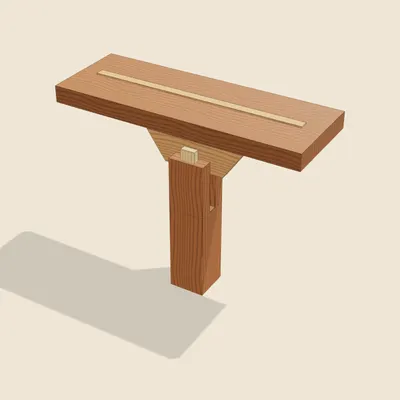
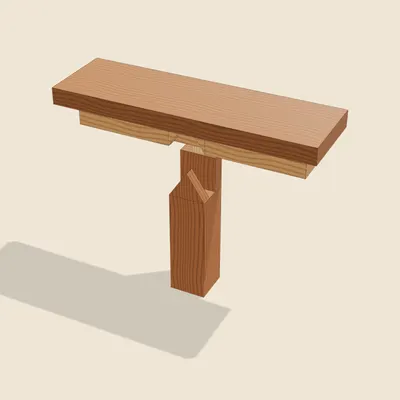
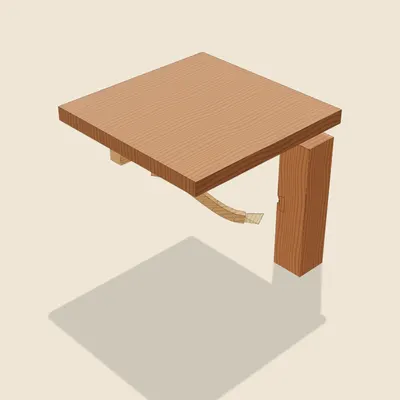
Start from the piece, then see how its corners are made.

Why it matters

A craft that speaks in shapes

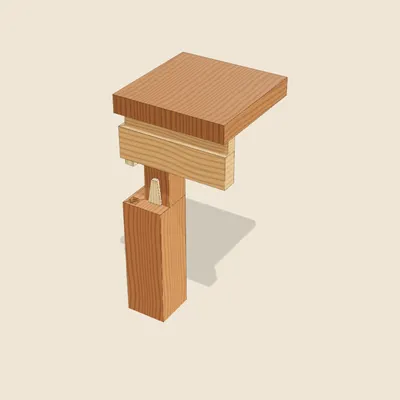
Sunmao (榫卯) joins two pieces of wood by shaping one to fit into the other: the projecting part is the tenon (榫), the hollow is the mortise (卯).

In the Ming dynasty, makers working in dense hardwoods like huanghuali took the idea to extraordinary lengths. At a single corner a leg, an apron, a waist and a top frame meet, and all you see is one fine seam.

Every joint answers the same question: how do you make wood strong, beautiful, and able to move with the seasons without splitting? Once you can read the joints, you will never look at old furniture the same way again.

图

The atlas

A map of Chinese furniture joinery in three families: board joints, point joints and three-member assemblies.

Open the atlas